Formed through emptiness,
elemental truth, and the
architecture of stillness.
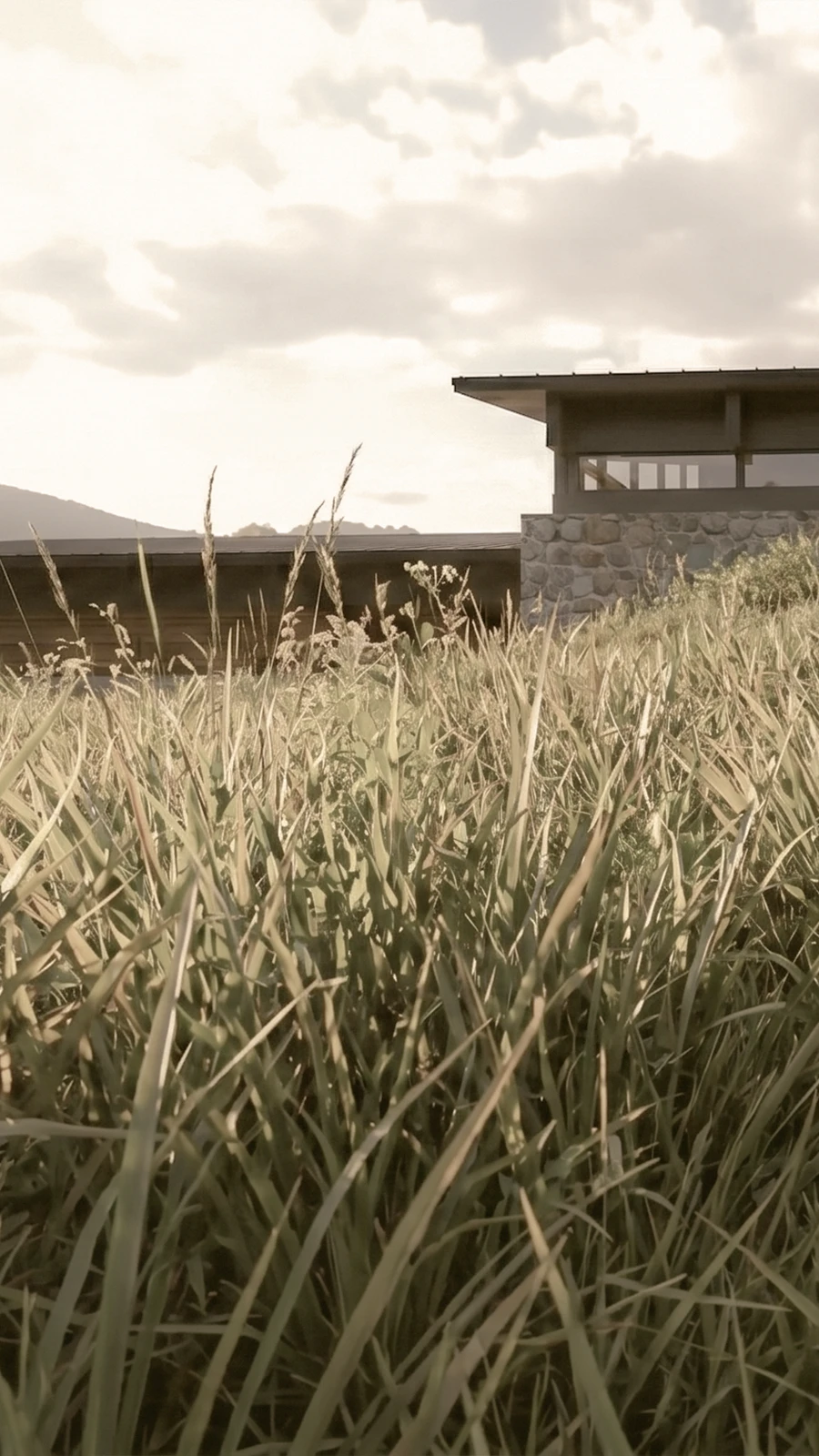
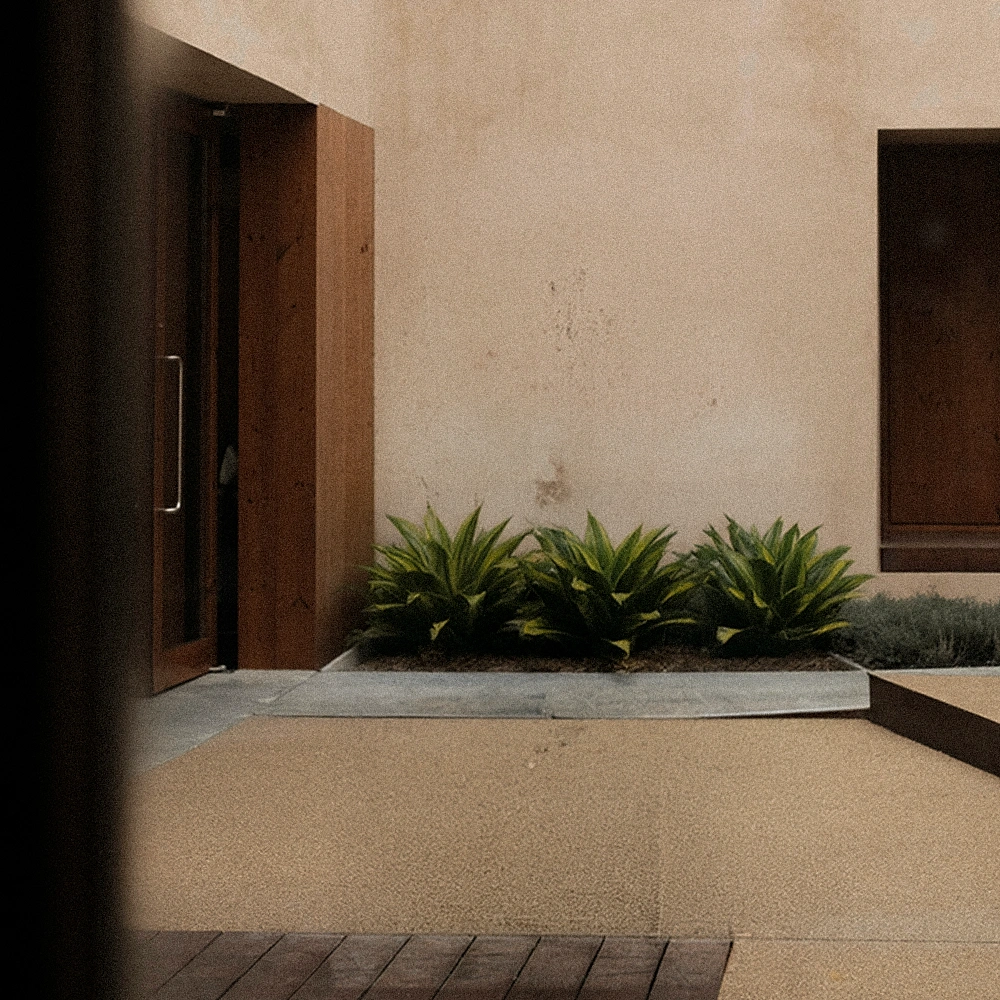
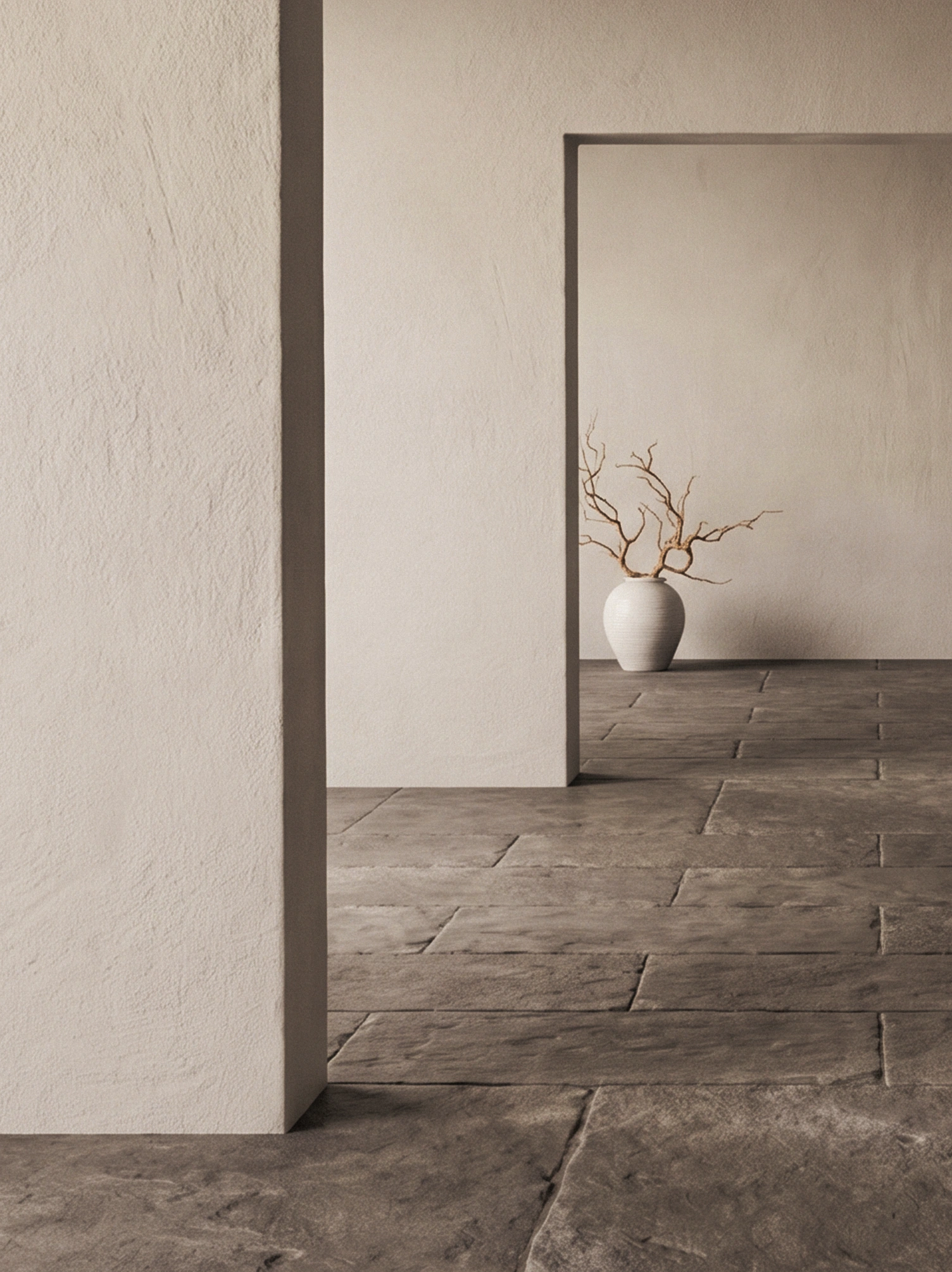
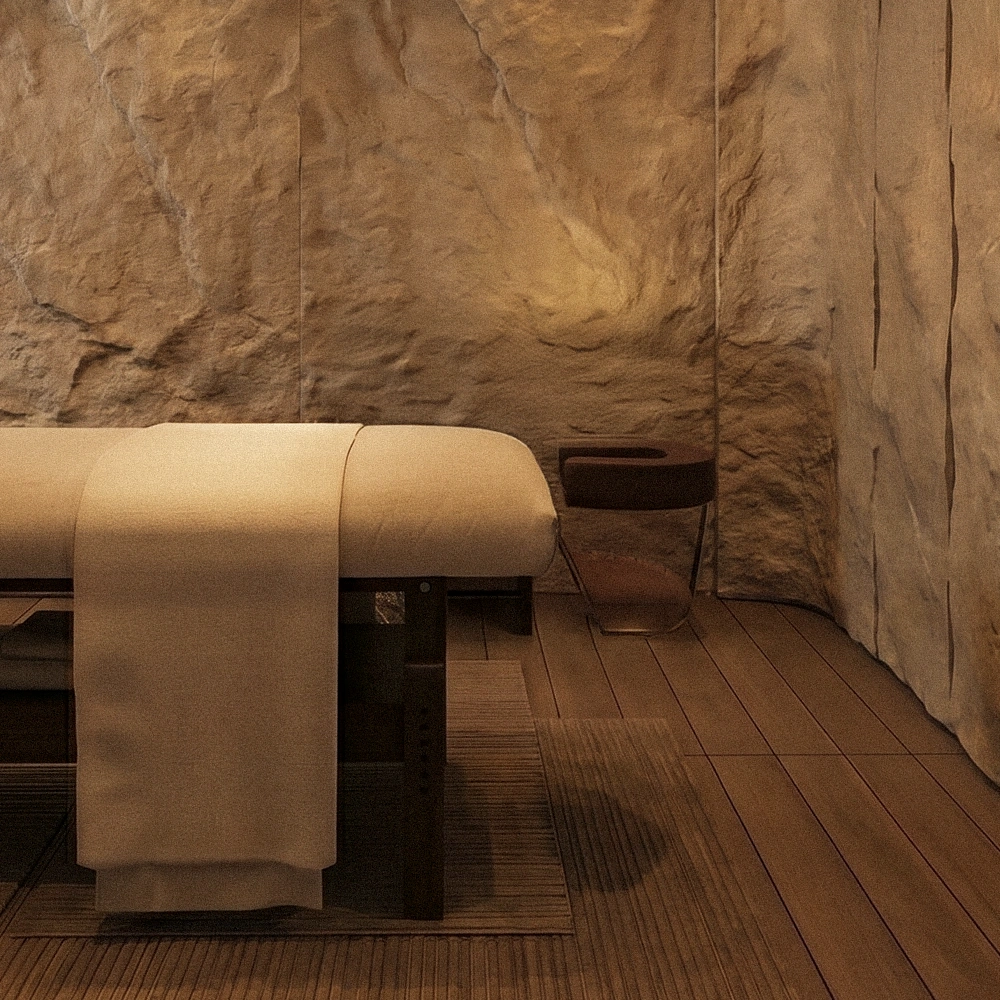
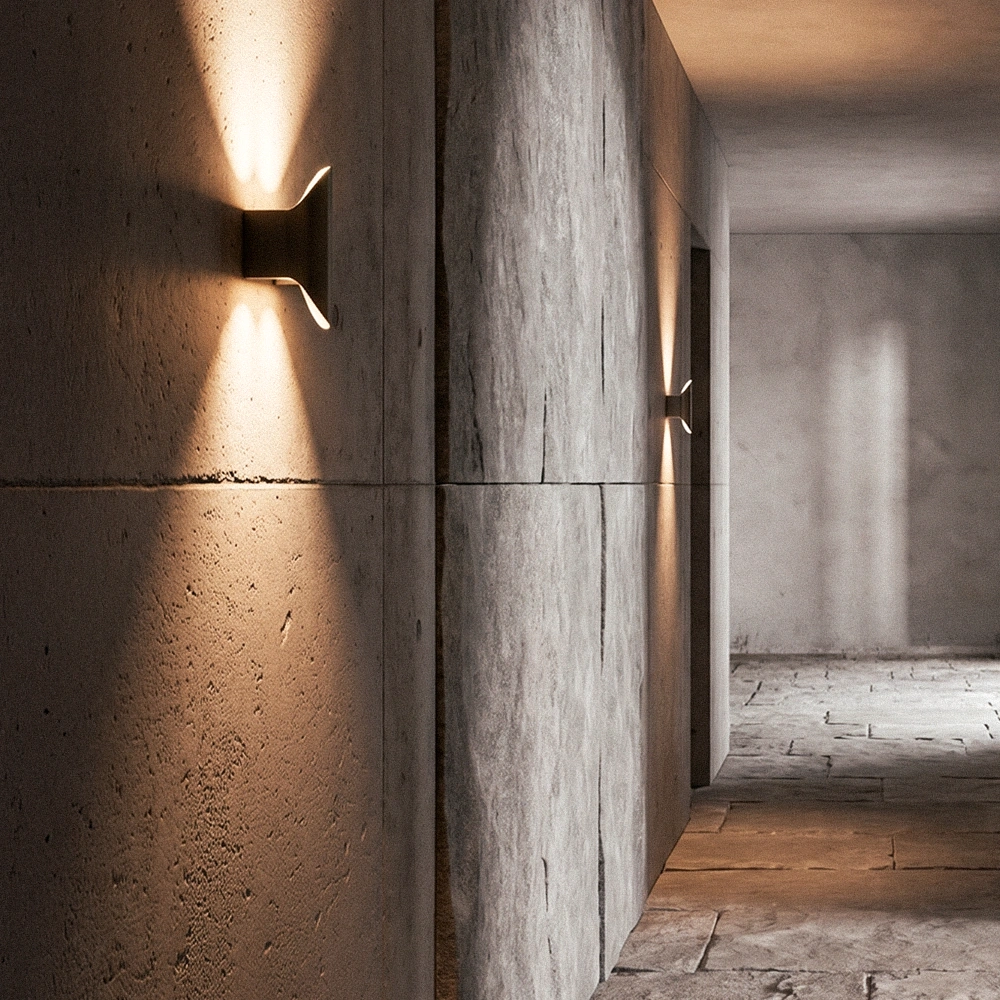
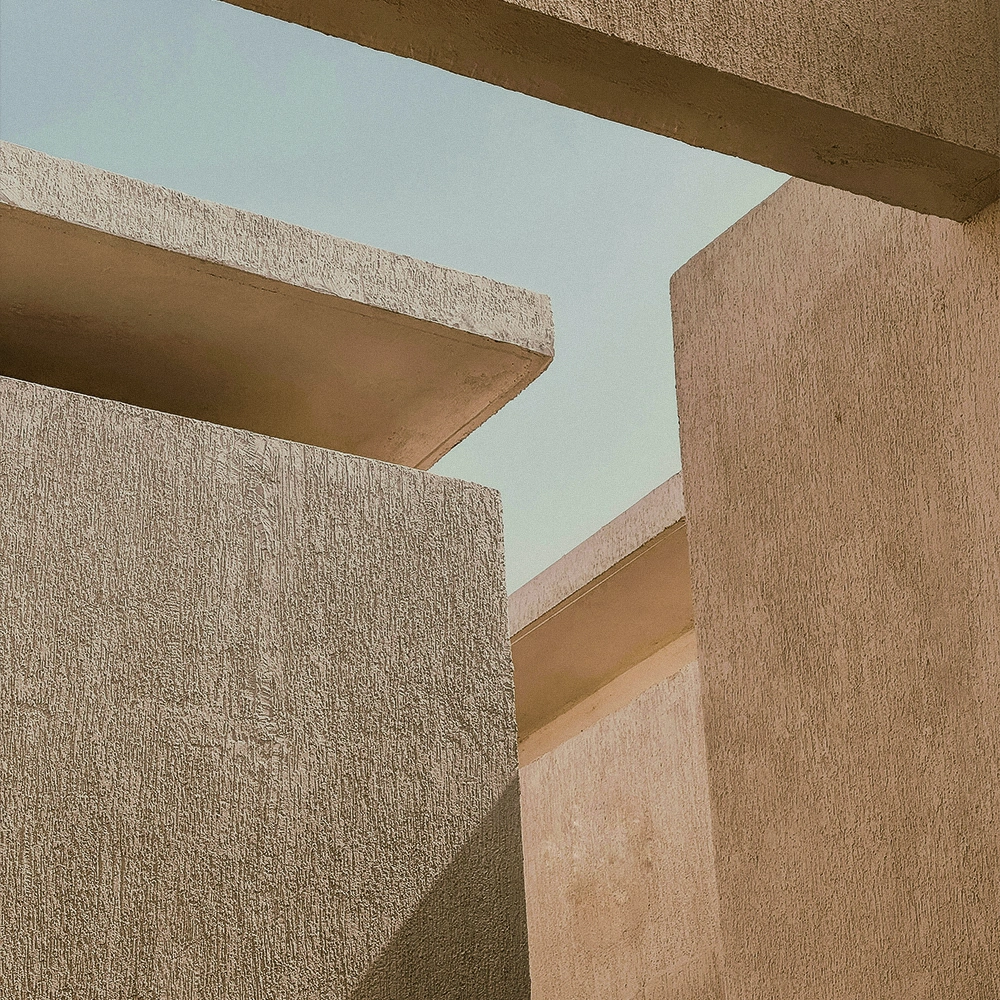
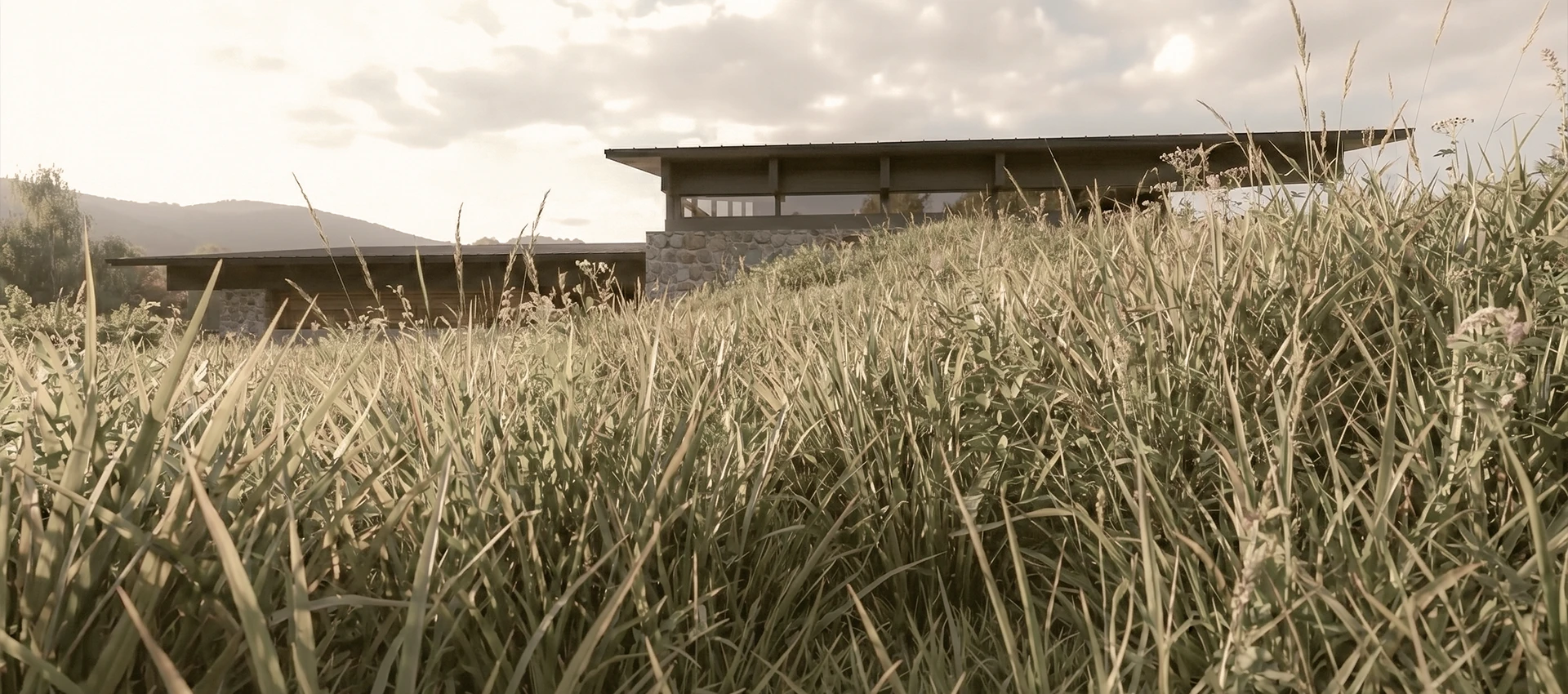
This understanding finds an echo in our architectural ethic: the discipline of revealing rather than concealing. Surfaces are allowed to remain plain. Materials disclose their weight, texture and age without embellishment. Structure is permitted to stand as structure, without ornament designed to distract the eye. What first appears austere gradually reveals a different quality. When decoration recedes, proportion becomes visible. When surfaces quieten, light becomes the subject.
ABOUT THE LAND
The geography of a different
kind of life.
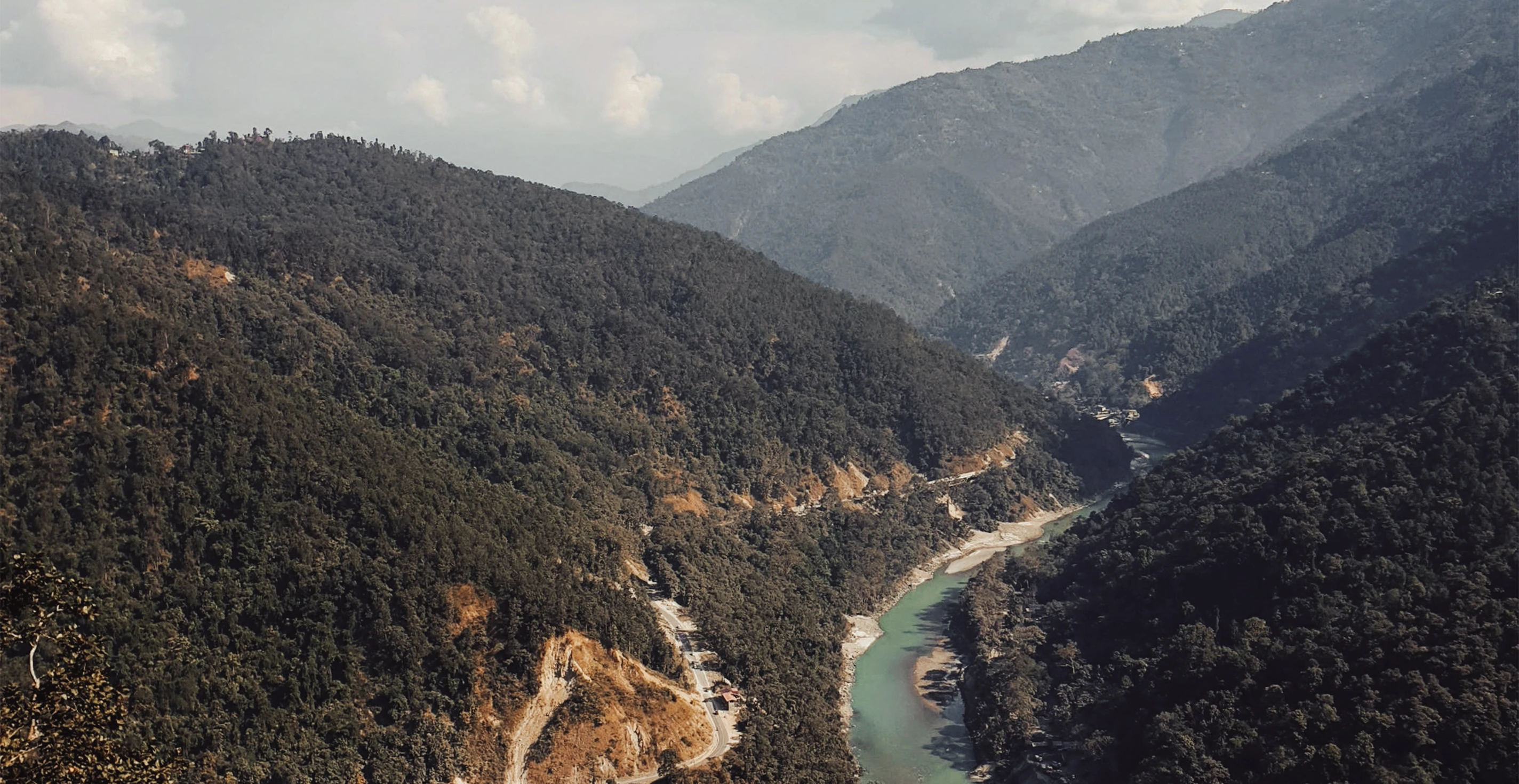
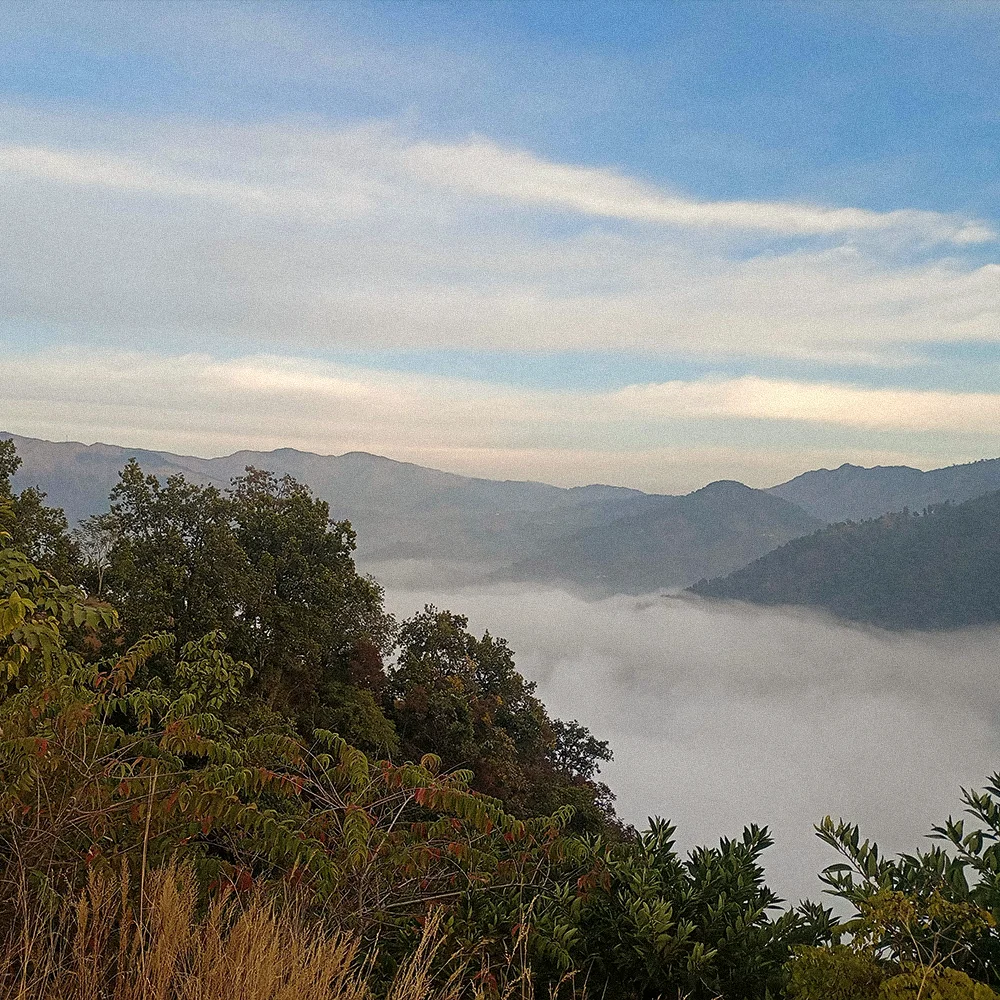
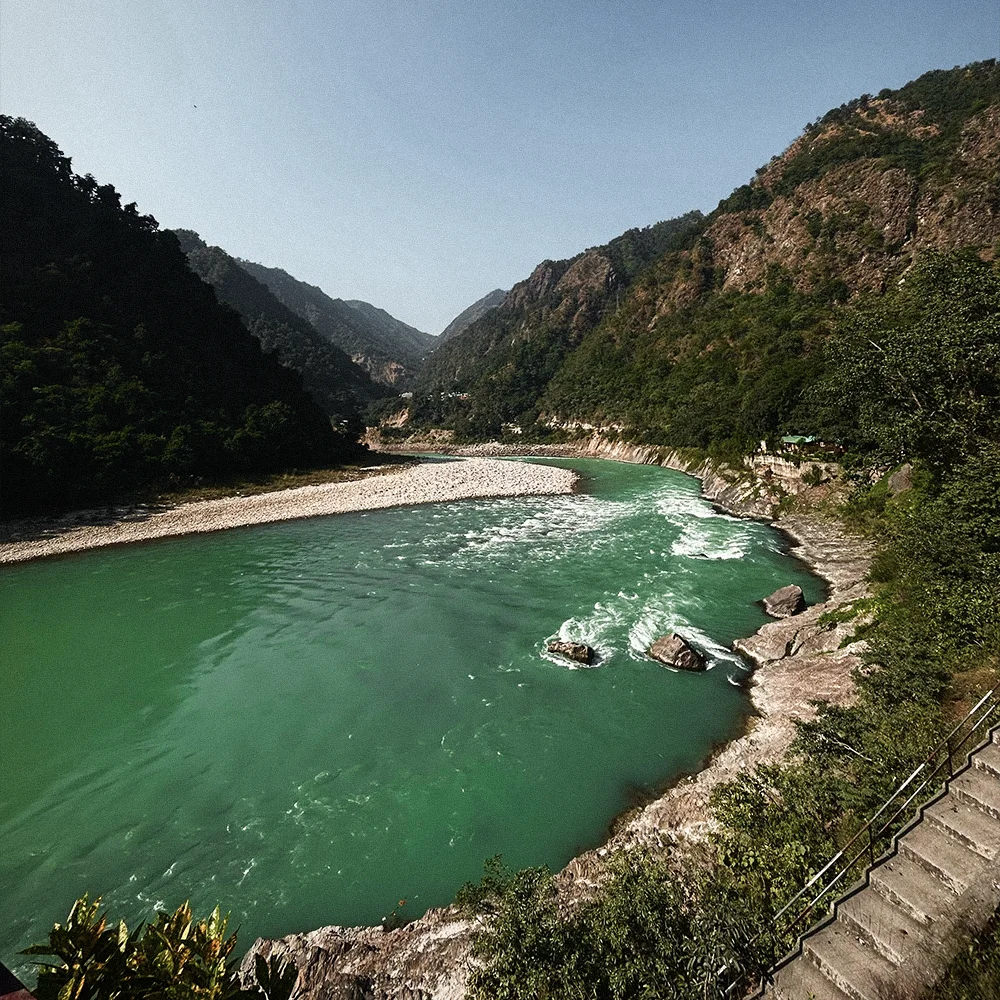
Narendra Nagar sits in the Shivalik foothills of Tehri Garhwal. Elevated enough to command an unobstructed panorama sweeping across Rishikesh, the silver thread of the Ganga descending from the mountains, and on a clear morning, the snow-capped ridgeline of the Greater Himalayas.
This is not scenic beauty for its own sake. Elevation at this range , above the plains, below the high Himalayas, places the body and life in a physiological sweet spot: air measurably fresher than the Indo-Gangetic plain below, barometric pressure that deepens breath naturally, and temperatures that support the quality of sleep that longevity science increasingly identifies as the single most important biomarker of healthspan.
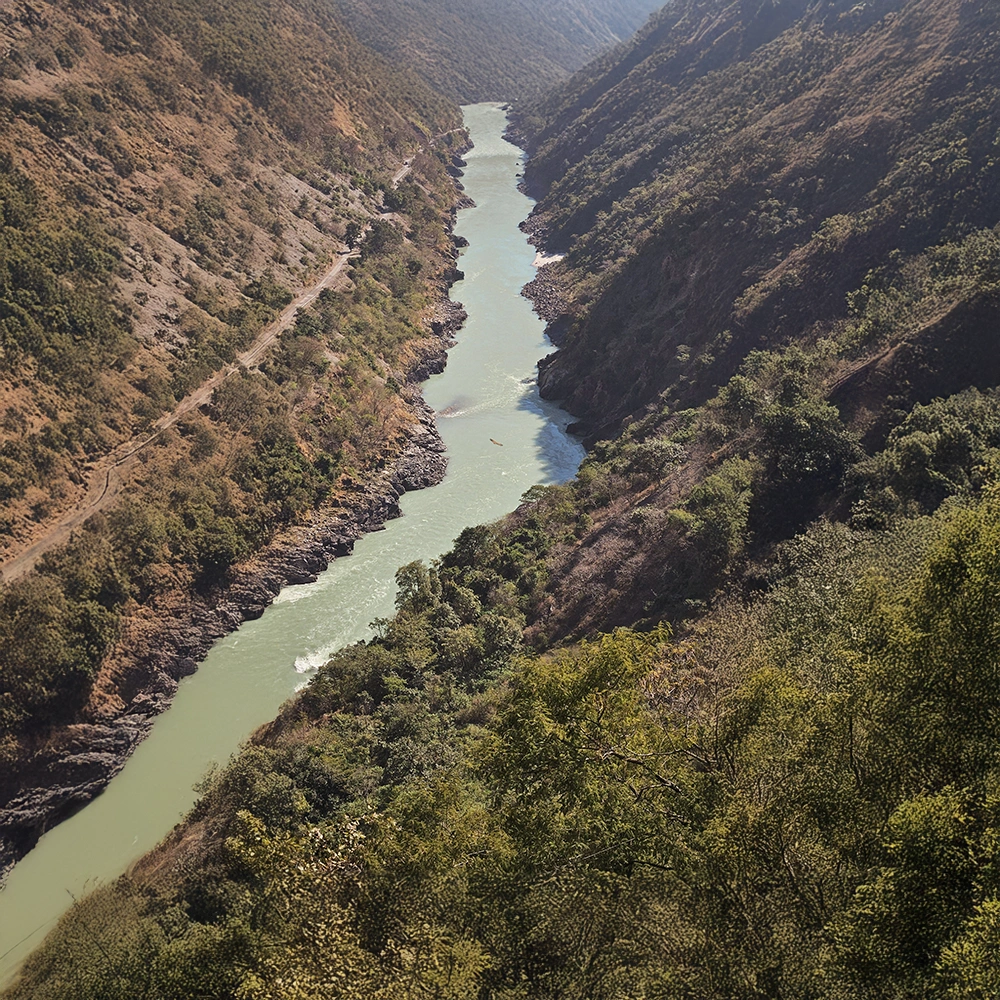
The Ganga is visible from the site, with its sound carried on the wind at dawn is not simply a river here. At this precise junction where it leaves the Himalayan gorge and enters the plains, the water is at its most oxygenated, its most mineral-dense, and its most alive form. Ancient texts called this the sangam of heaven and earth.
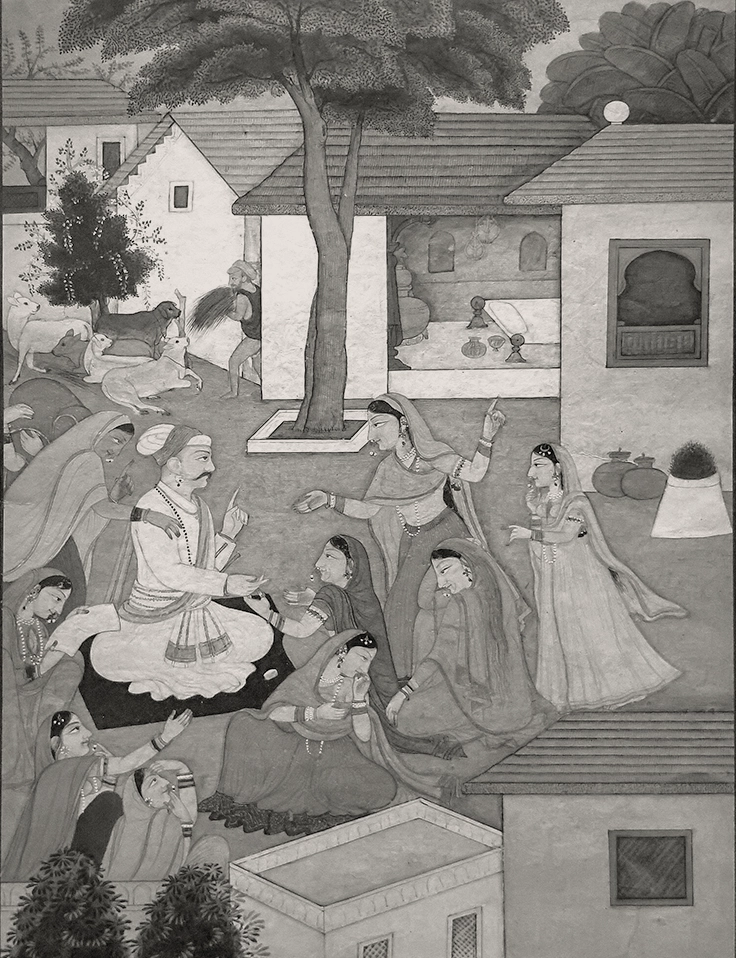
Ancient — 3,000+ Years
The sage Uddhava, intimate companion of Krishna, performed severe penance here. Parashara, founding father of Vedic astrology, conducted his most significant celestial experiments from this elevated vantage. The clarity of the sky here was not incidental. It was the reason they came.
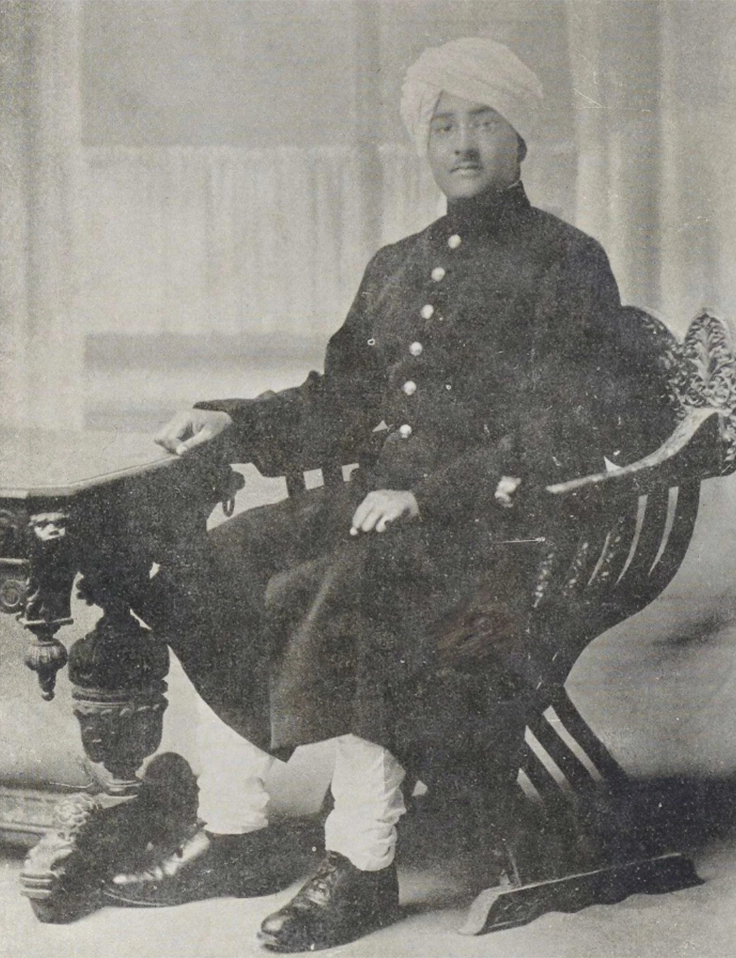
1919 — Royal Capital
Maharaja Narendra Shah of Tehri Garhwal chose this hill as the seat of his royal capital, naming it Narendra Nagar. The palace he built would become, over a century, a gathering point for some of history's most consequential figures.
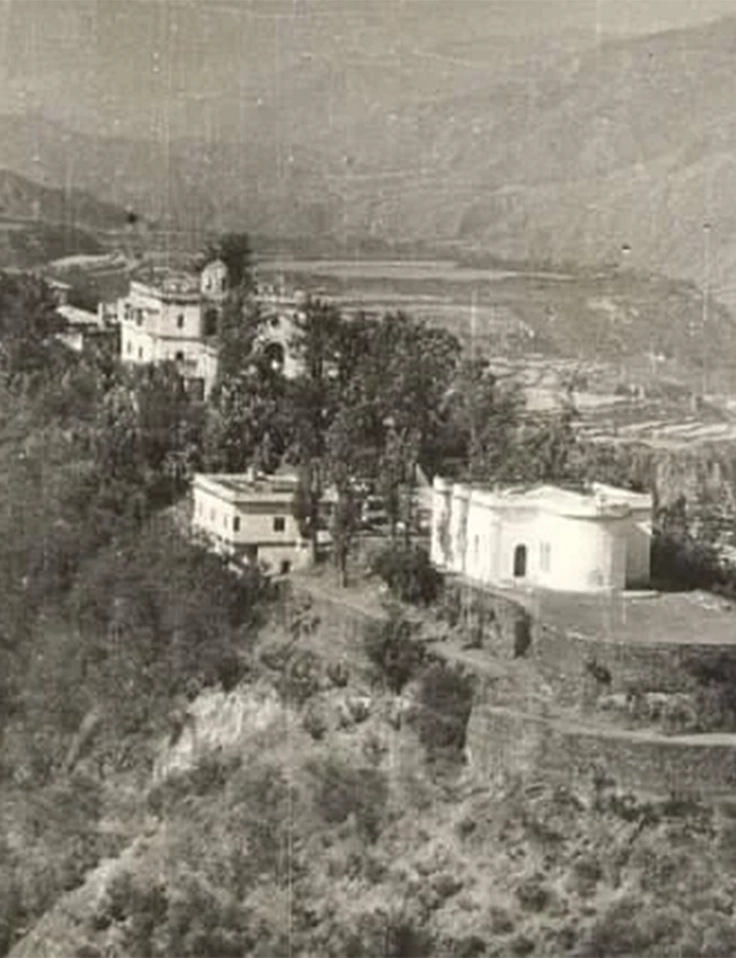
20ᵀᴴ Century — Statesmen & Sages
Long before it acquired its present name, this site was known to sages as a place uniquely suited for meditation and long contemplation. A confluence of governance, scholarship, and spiritual inquiry at a singular elevation above the plains.

Now — Akanistha
The same site. The same silence. The same views distilled into the architecture of a different kind of life. The space does not aspire on your behalf. It aligns itself to the mind that has arrived.
THE FIRST CHAPTER
Not categorized by scale.
Defined by the state of the
mind that inhabits.
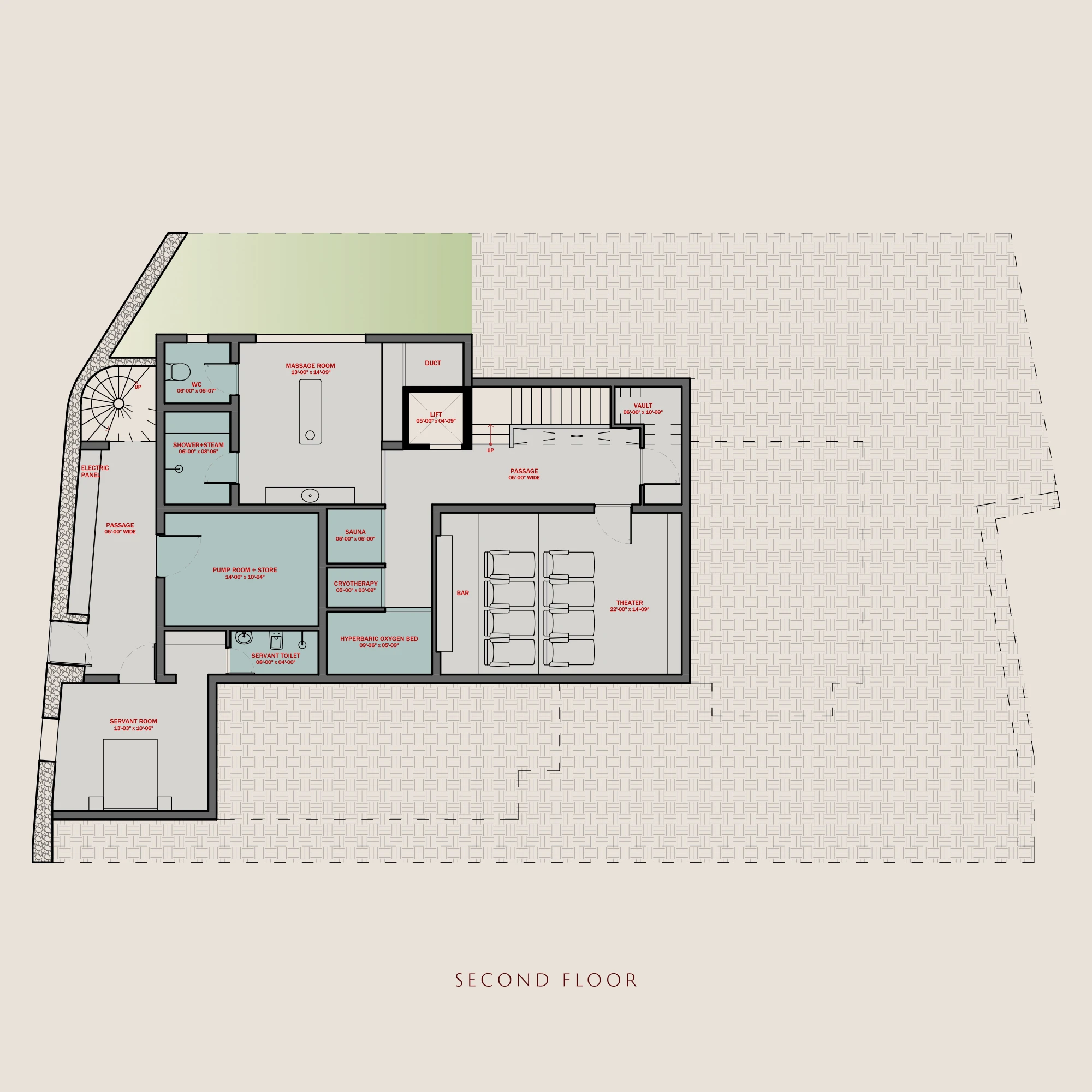
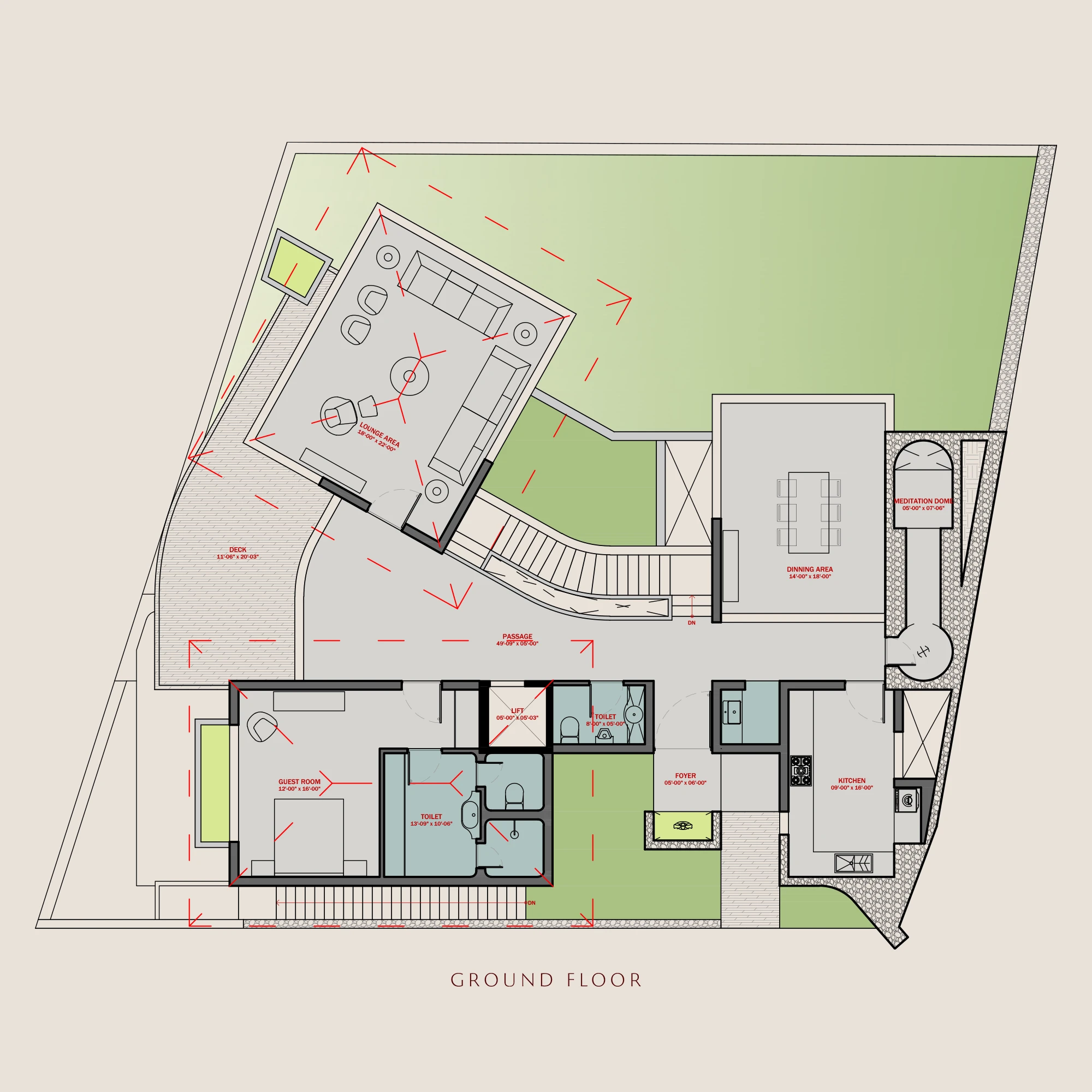
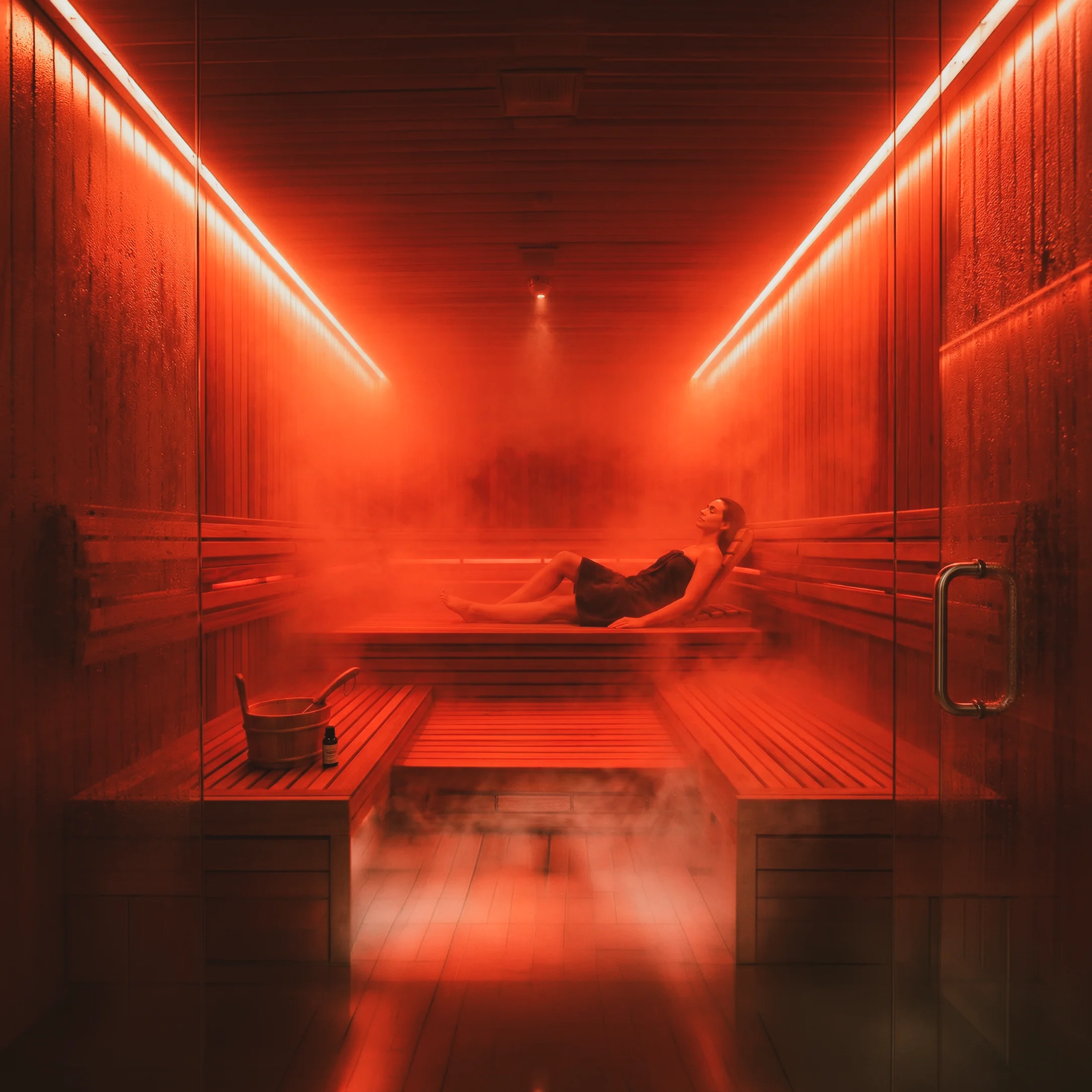
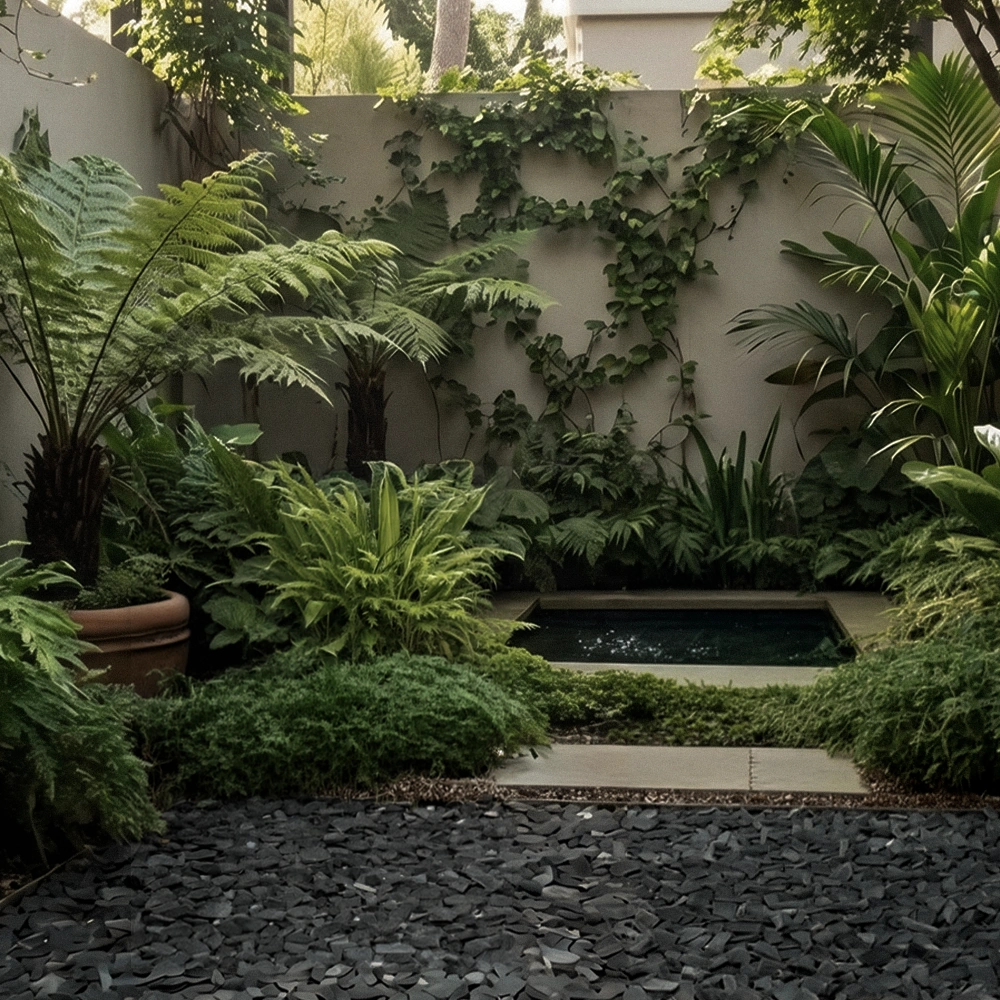
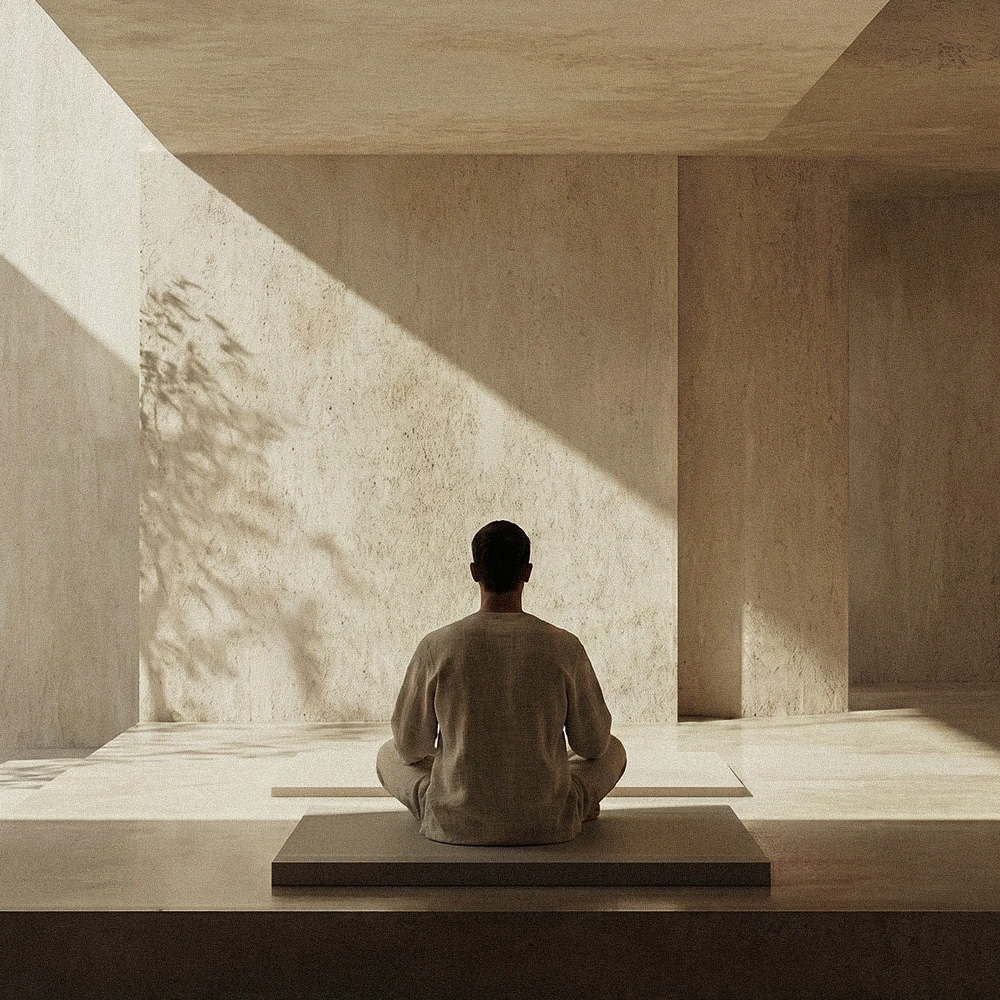
Akanistha does not offer unit types. Each residence is a Sanctum, a complete system, architecturally self-contained, named and sealed. The Hyperbaric Oxygen Chamber, the Red Light Sauna, the Cryotherapy Chamber, the Meditation Room, the Kitchen Garden, the Plunge Pool: each sanctum holds all of it within itself, quietly, without announcement. Nothing requires you to leave.
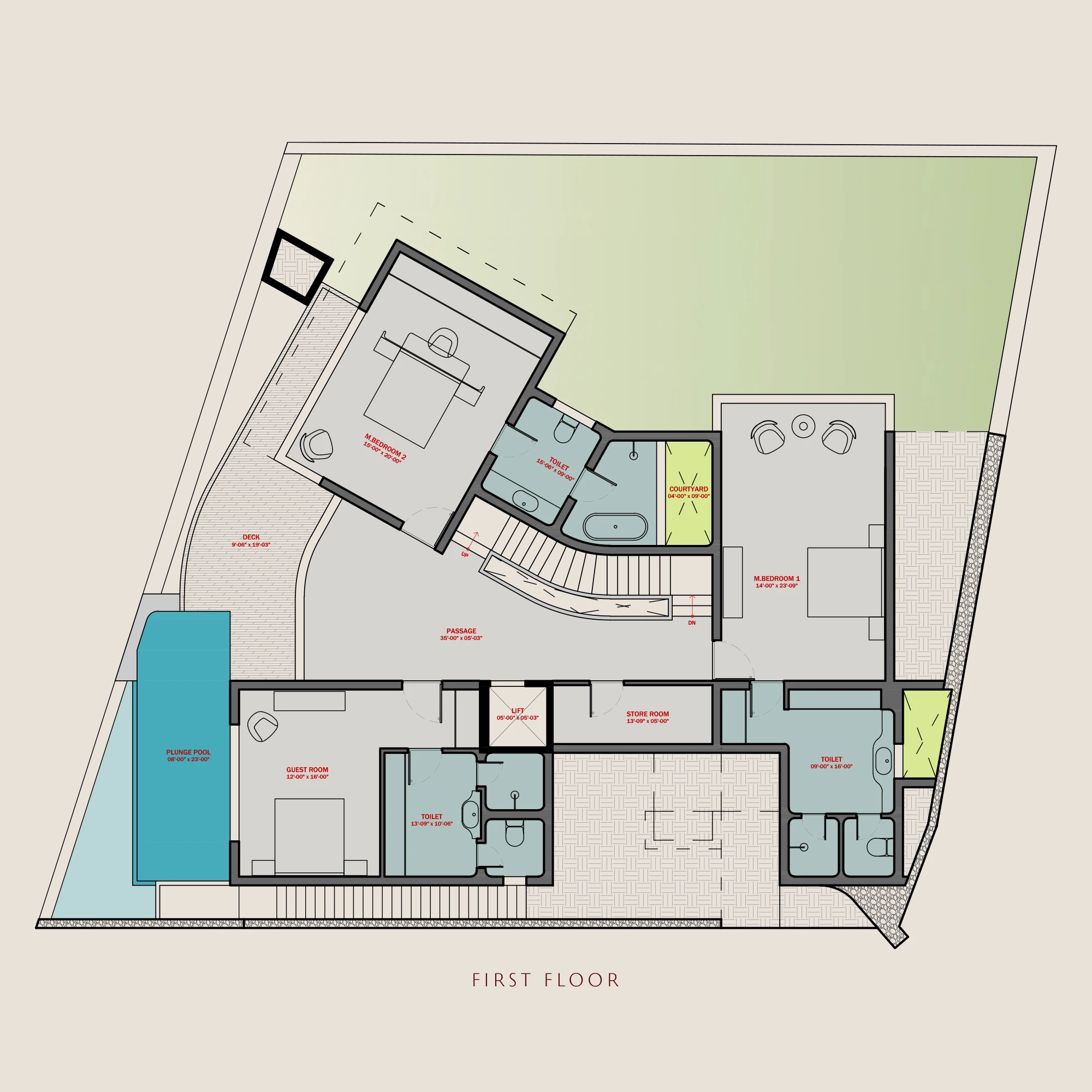
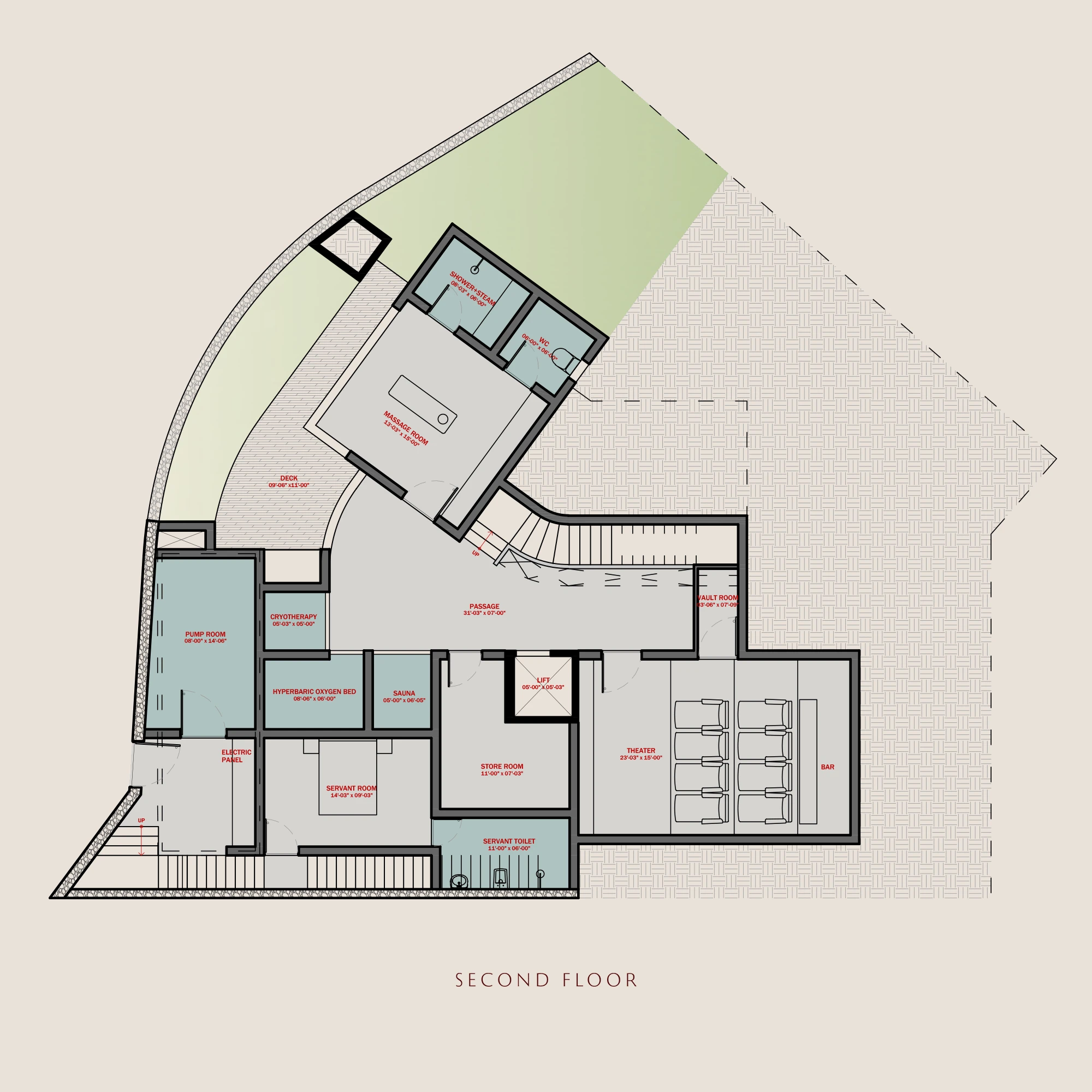
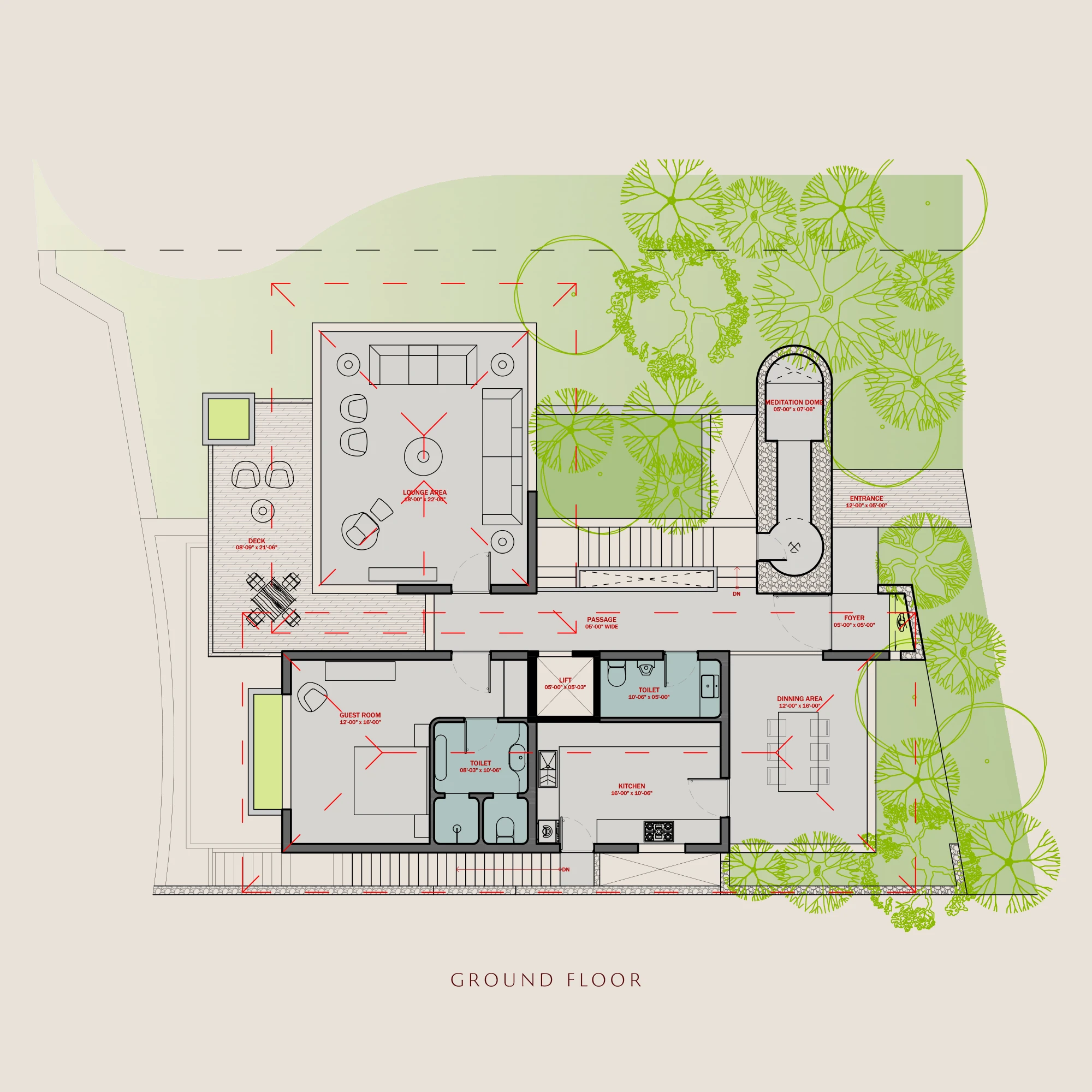
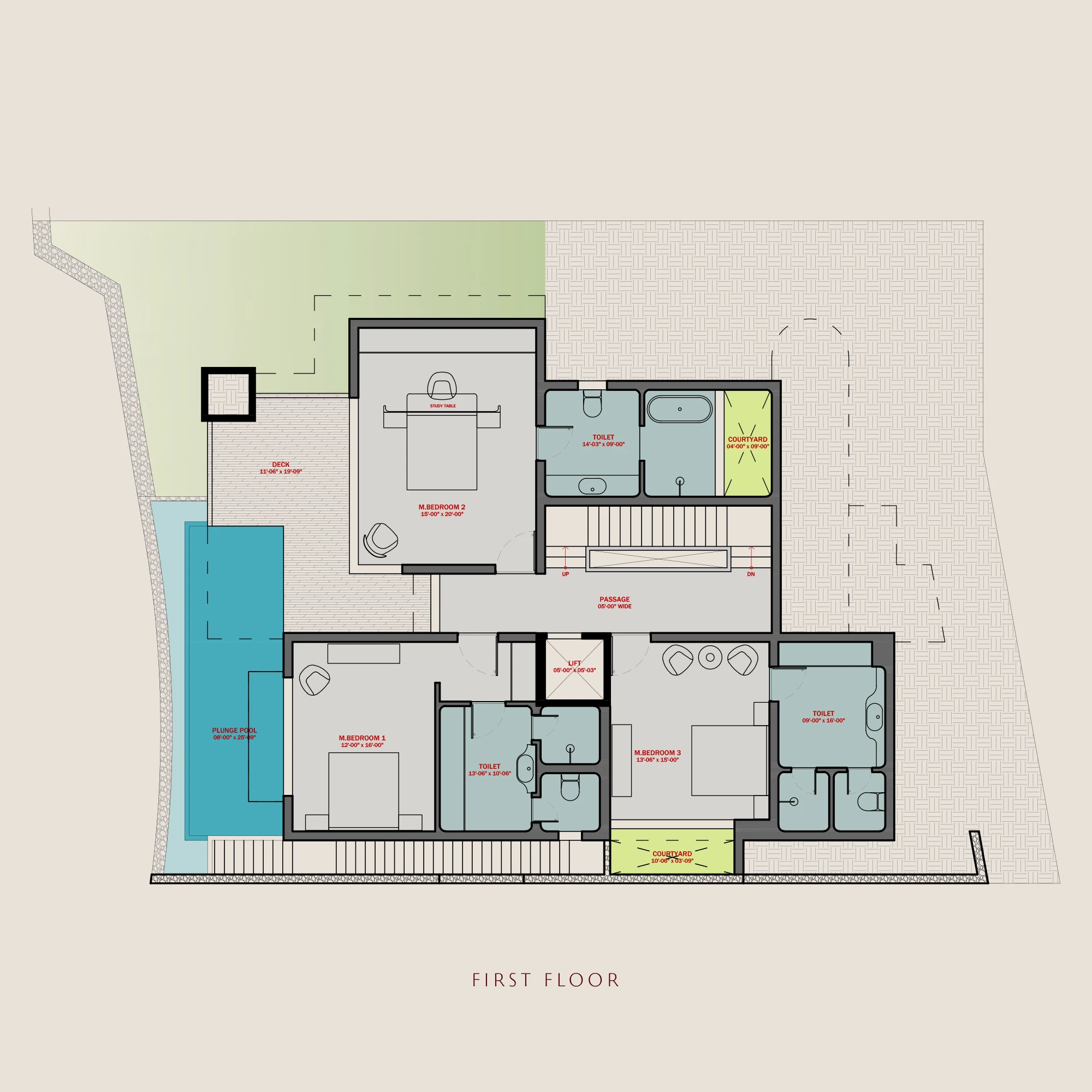
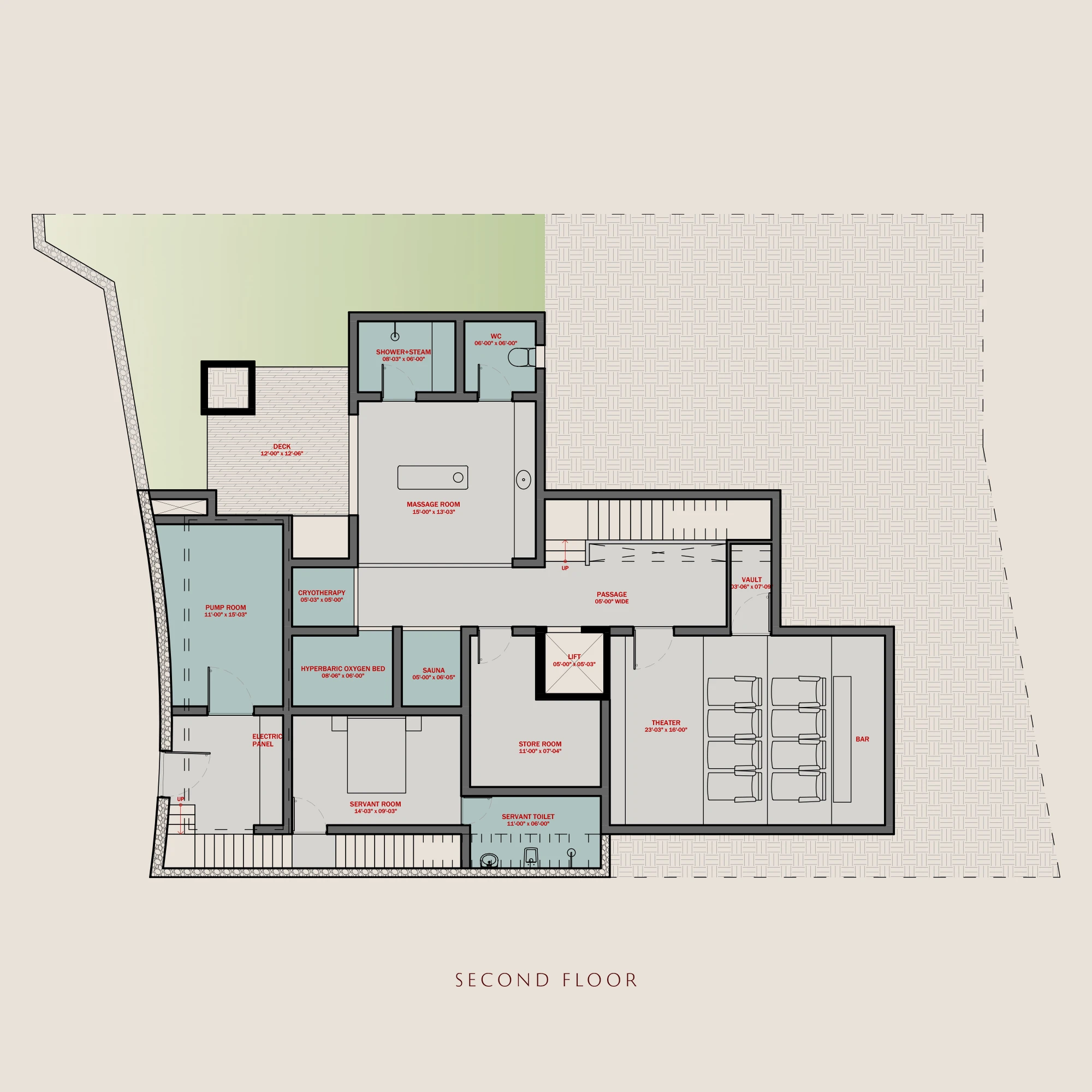
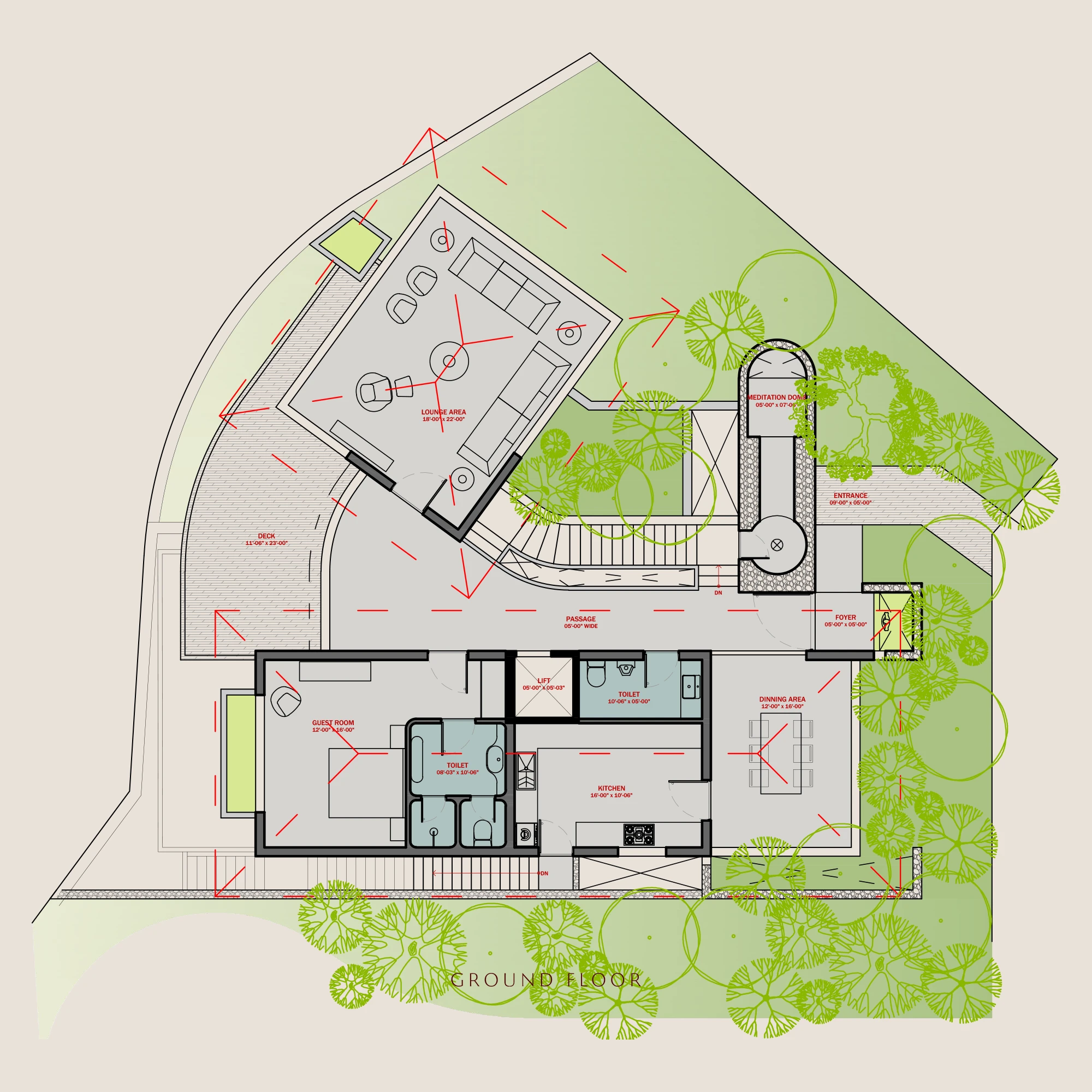
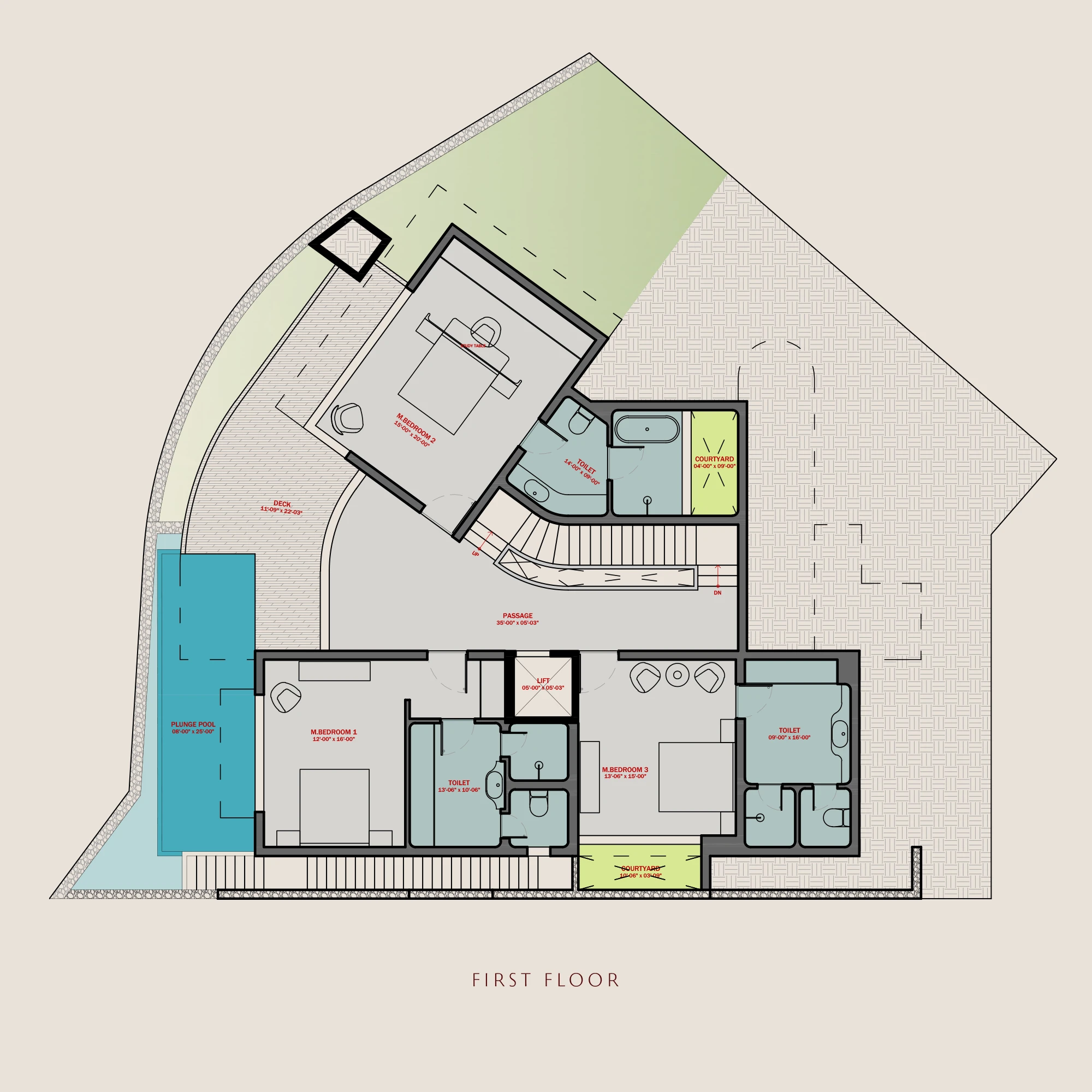
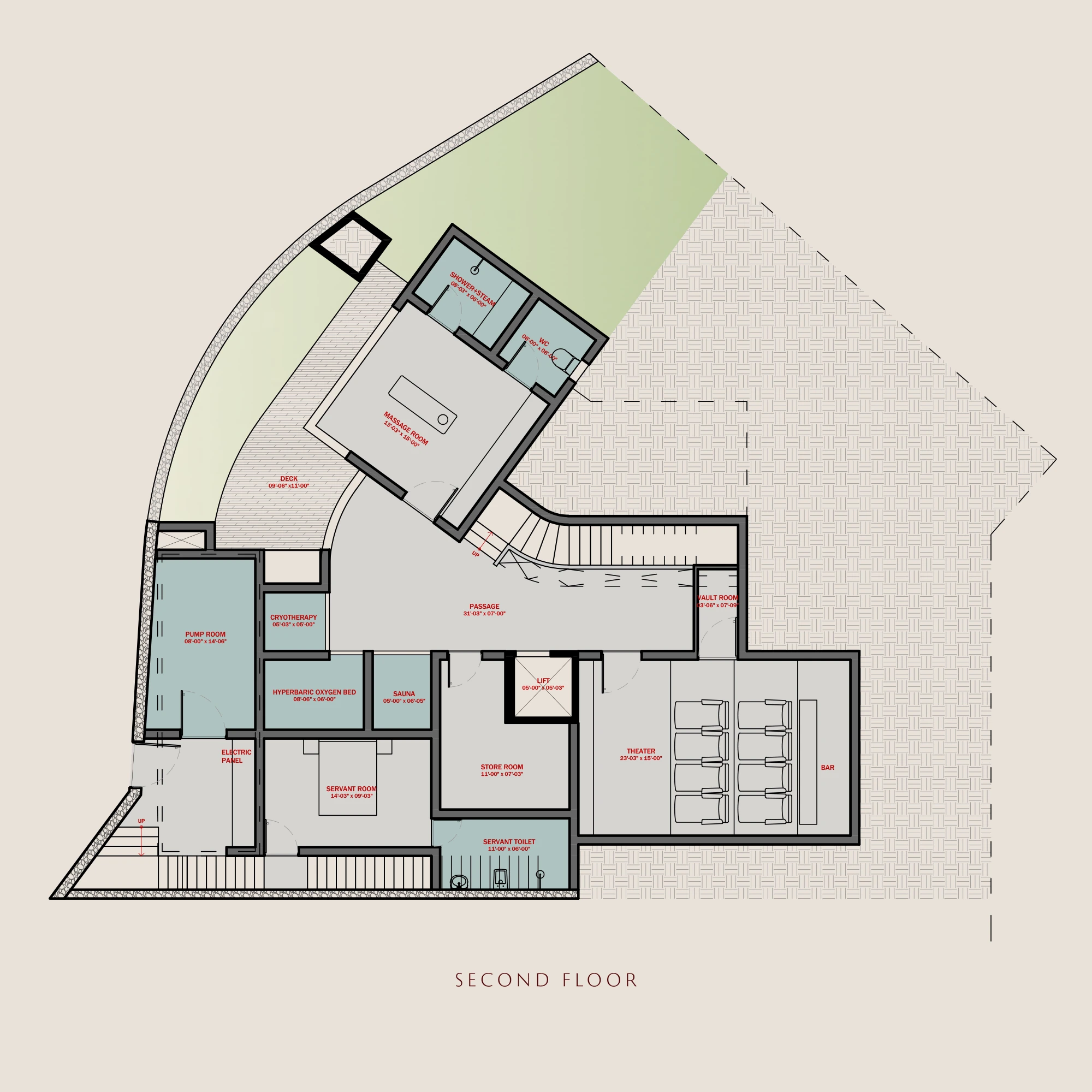
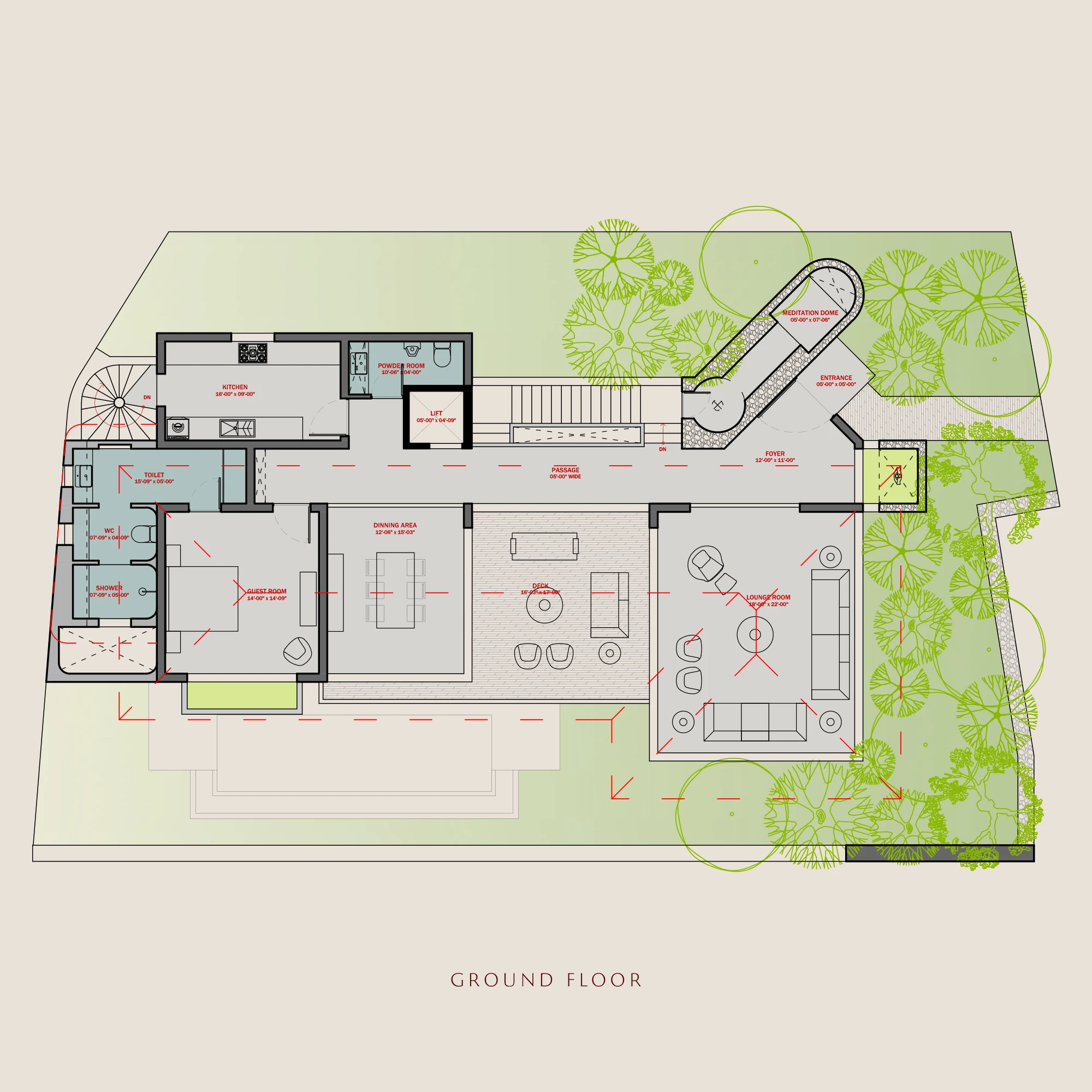
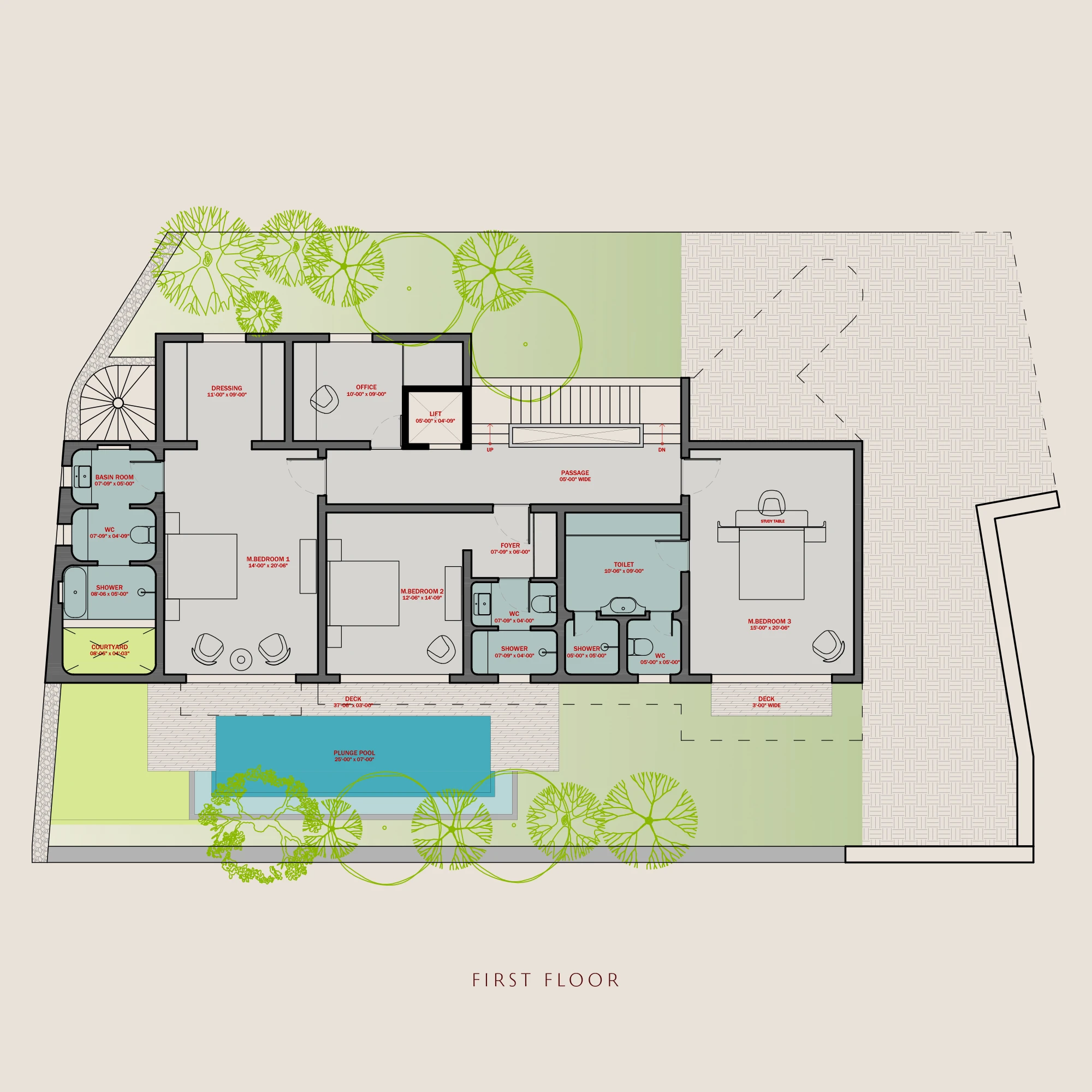
THE FOUR SANCTUMS
The Indestructible
Clarity. Discernment. Unbroken Attention. For those who live through precision and restraint. A sanctum as sharp and deliberate as the mind that will inhabit it.
THE LONGEVITY THESIS
Longevity is not merely living
longer. It is living clearer,
calmer, and capable, for longer.
In the next era of wealth, status is no longer the visible logo. It is healthspan, brainspan, and the freedom of unhurried time. The ultra-wealthy are no longer investing in things, they are investing in time, capacity, and cognition.
Akanistha Sanctums are designed as anti-chaos habitats: spaces that reduce cognitive load, restore the nervous system, improve sleep architecture, deepen movement rituals, and protect attention, the most expensive human resource.
THE ULTIMATE FLEX IS NOT HOW
LONG YOU LIVE. IT IS HOW DEEPLY
YOU INHABIT EACH MOMENT.
Day at Akanistha
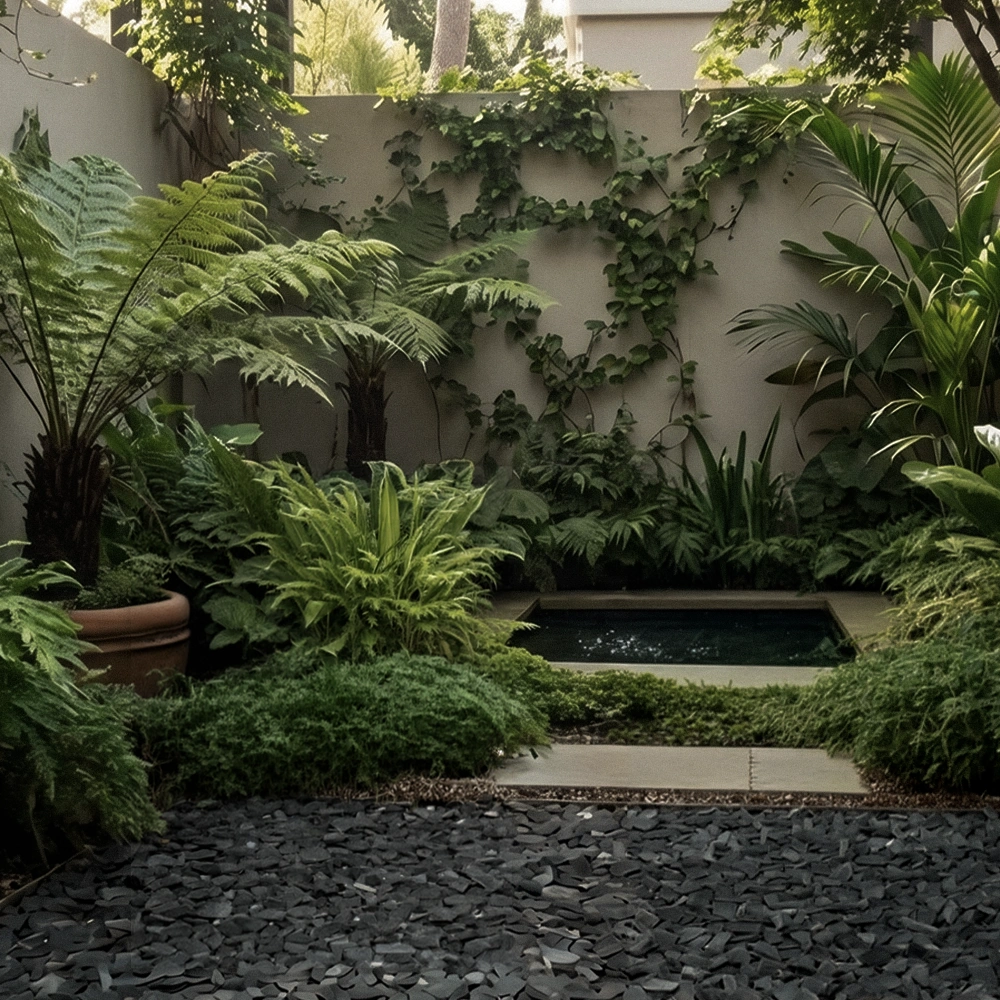
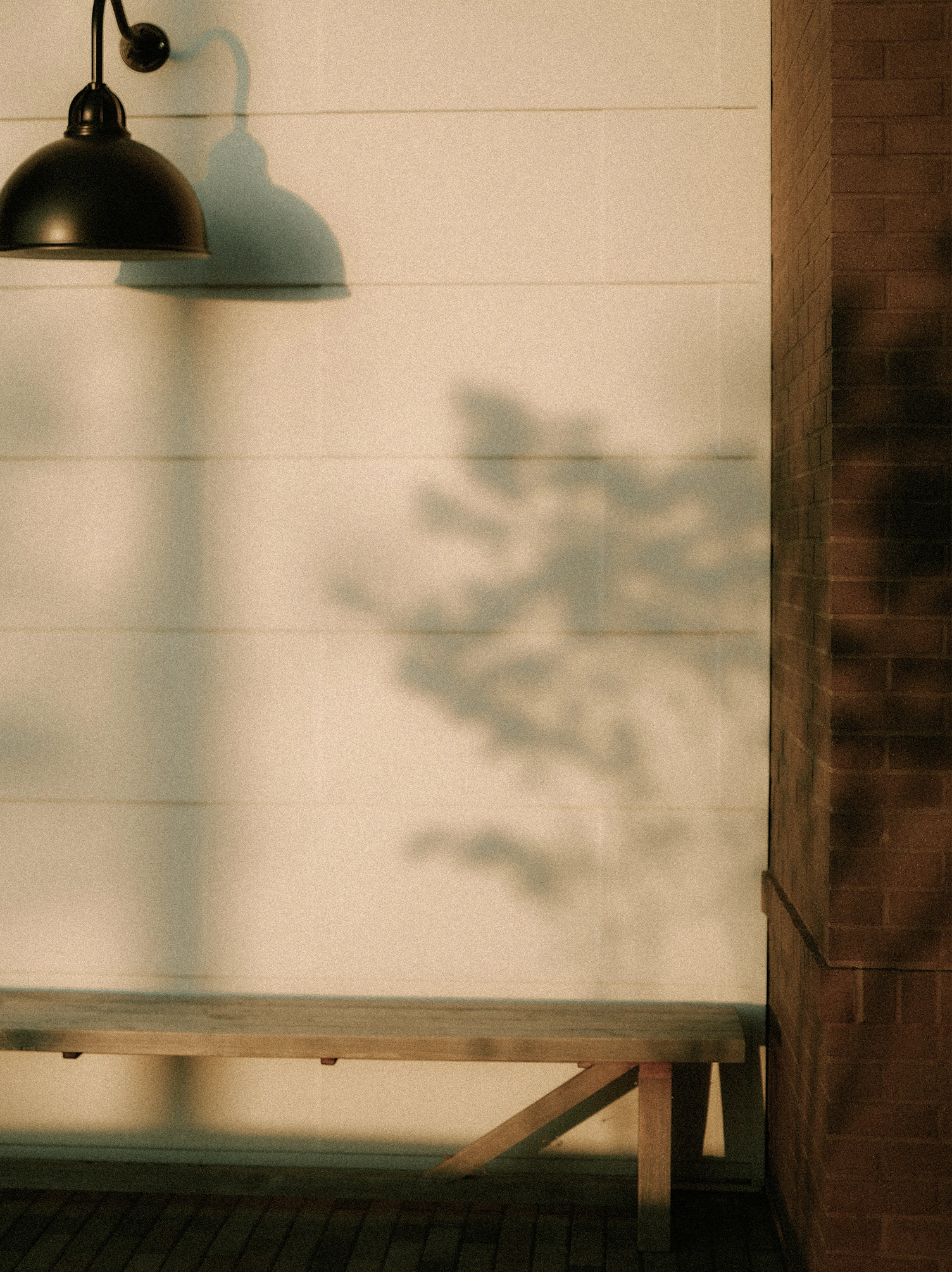
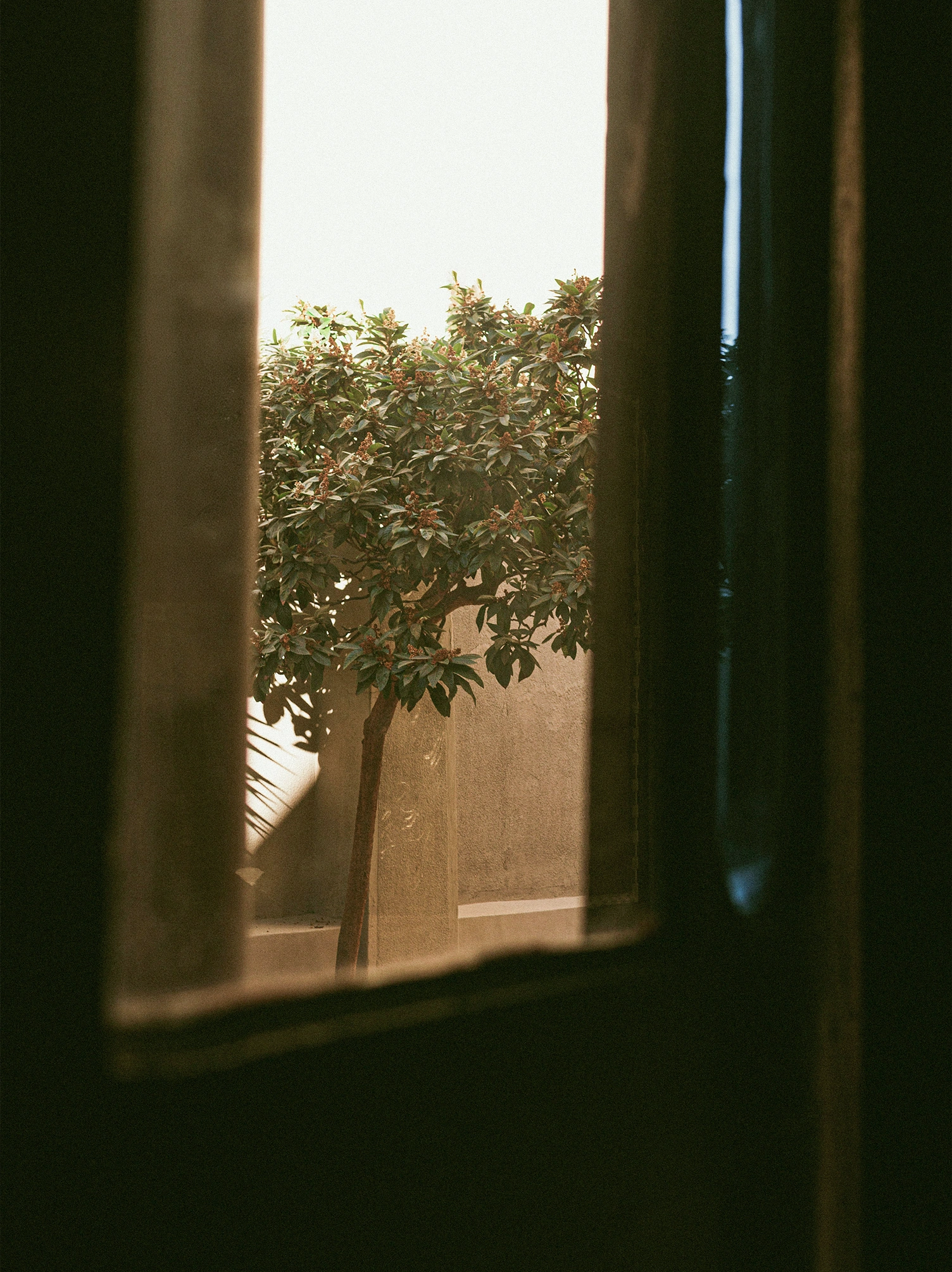
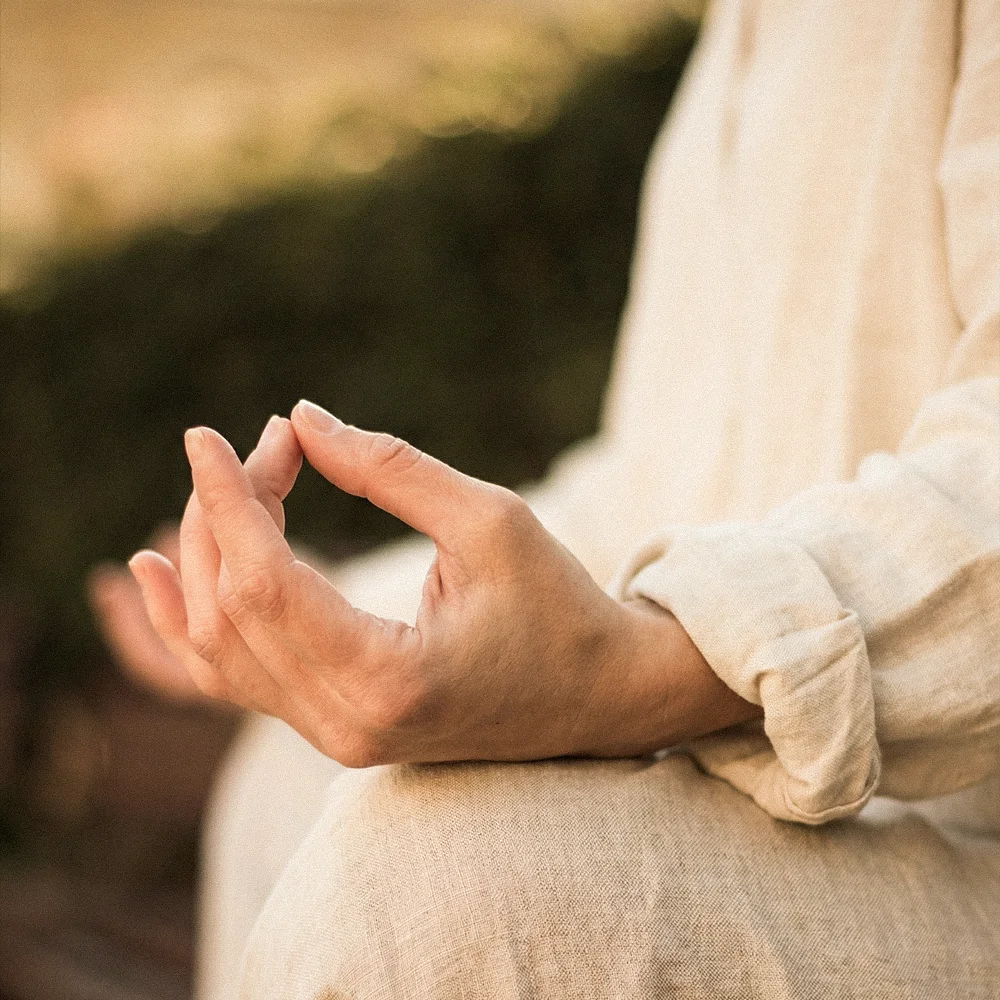
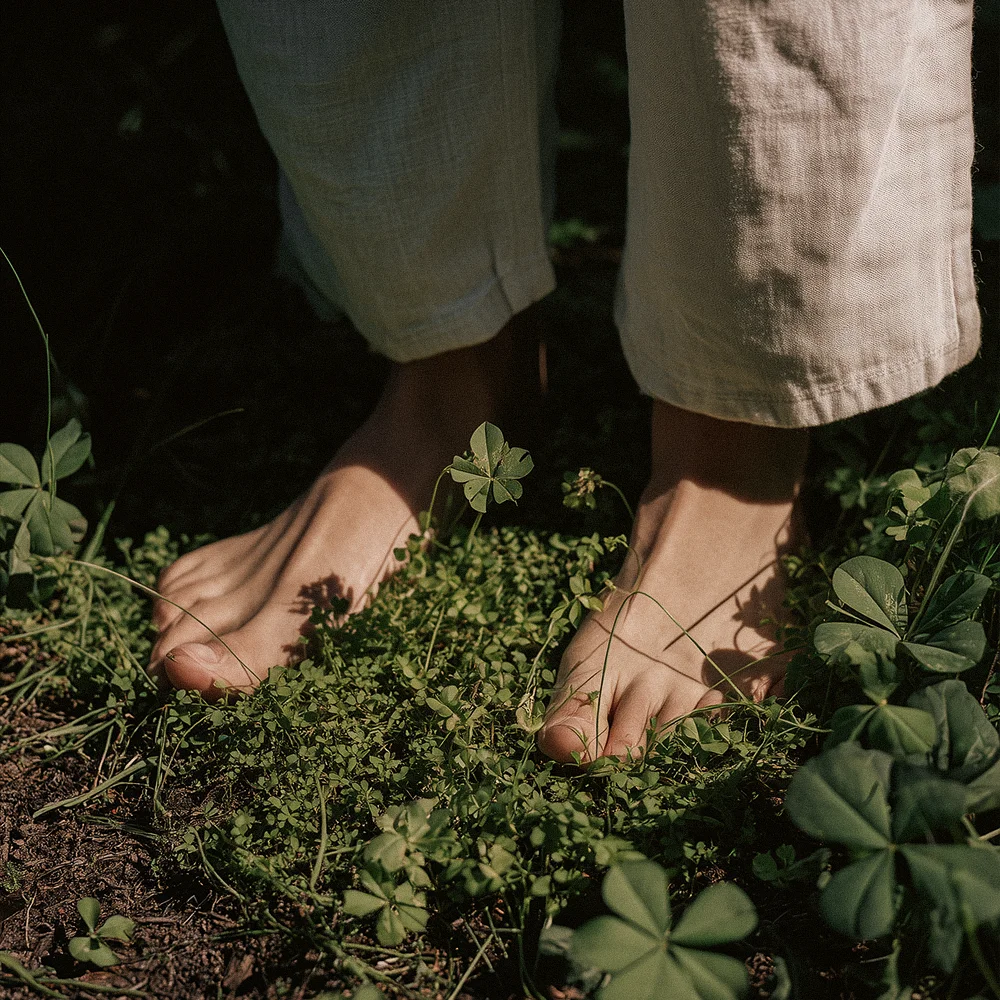
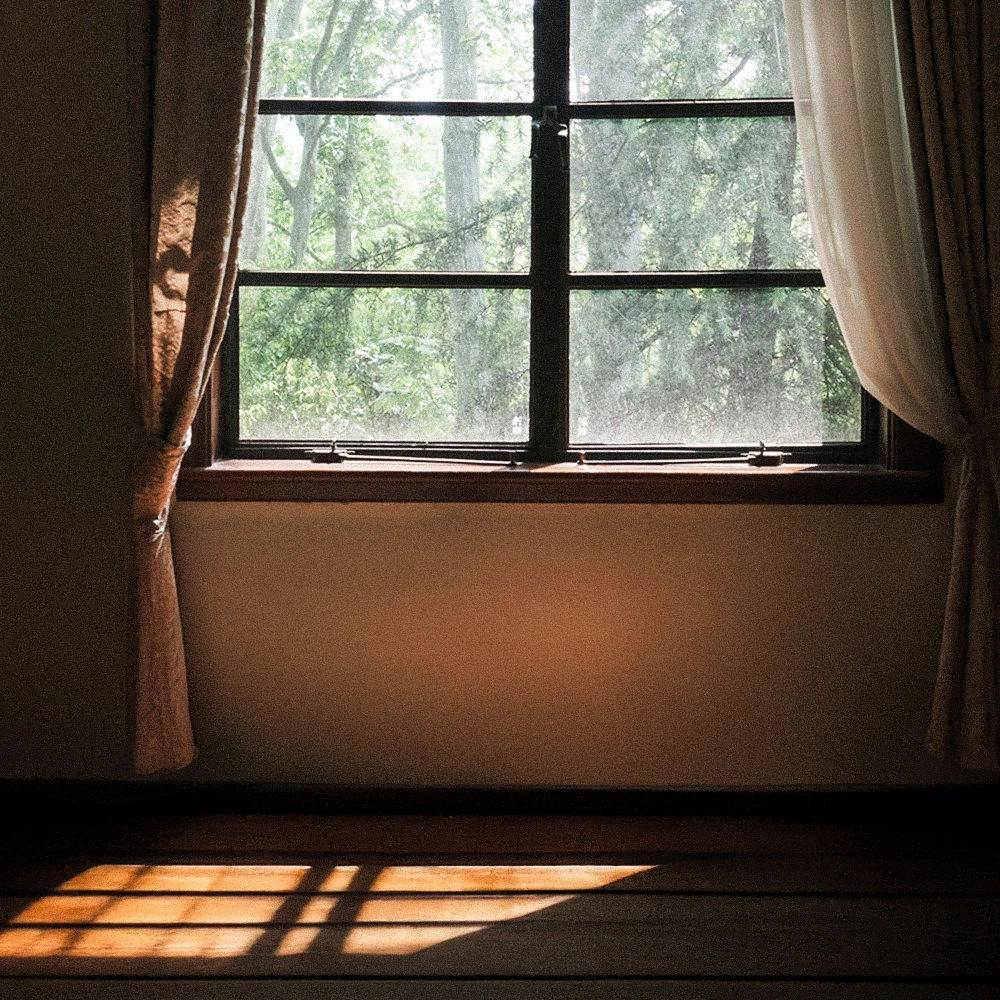
Dawn, bare feet on stone. Light is entering at exactly the angle intended. The body's clock is set before the mind has woken. Morning, the Silent Hall, the Meditation Cell. No urgency, no noise. The kind of focus the city permanently interrupts. Afternoon, movement as a ritual. The Cryotherapy Chamber, the Sauna, acts of restoration, not recovery. The body is treated as the foundation of a longer life. Evening, the courtyard holds the last light. The family gathers without pretence. The Fragrance Court carries the evening breeze, medicinal herbs, cooling air, and quietened senses.
You don't smell it. You simply feel that your body has eased. Night, the skyline, uninterrupted. Darkness, complete. At 1,330 metres, silence and stone conspire to do what no supplement can return, it is the body to its natural depth of rest. The rest, you must experience on your own.
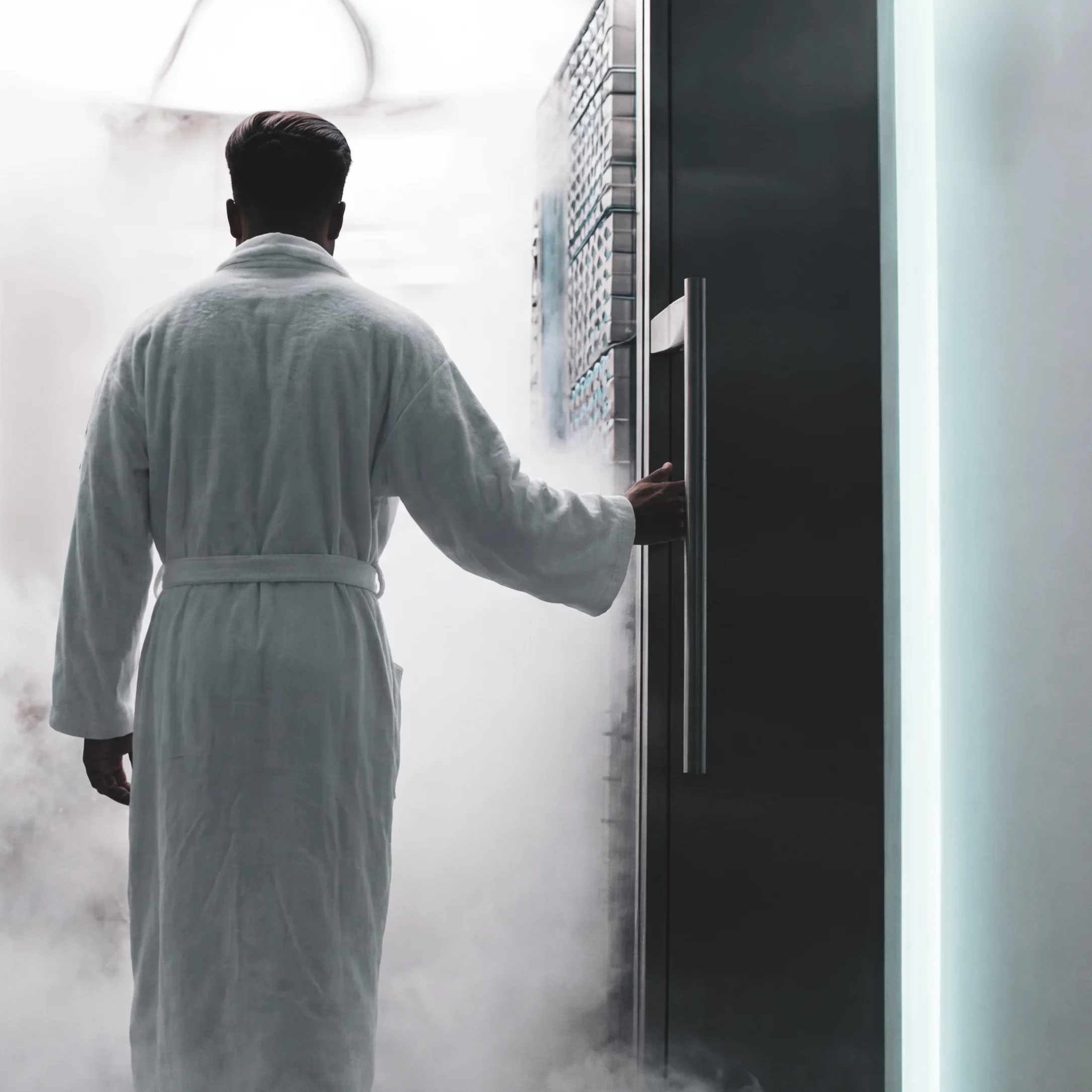
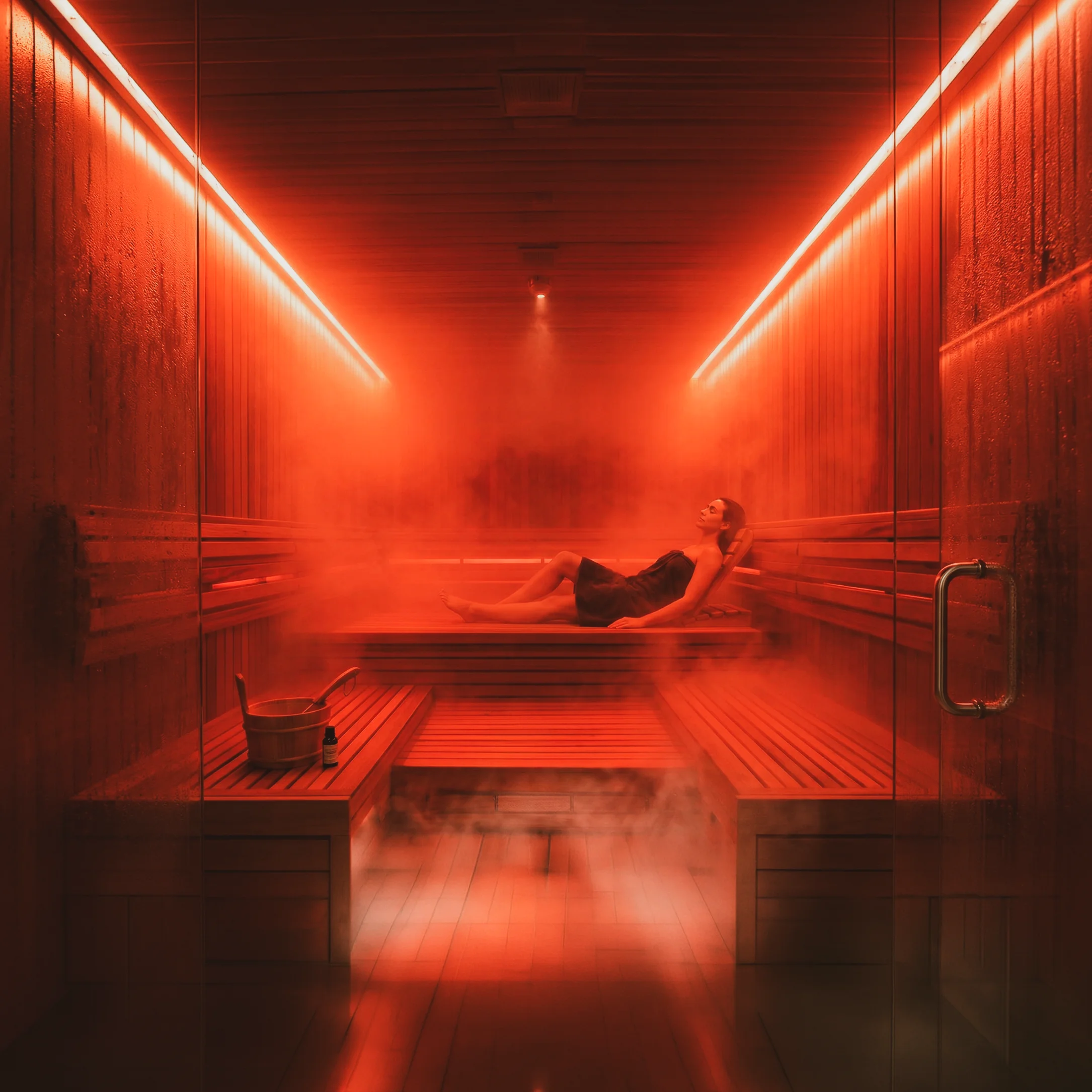
Hyperbaric Oxygen Chamber
Clinically shown to increase telomere length, clear senescent cells, and improve cognitive function.

The Philosophical Triad
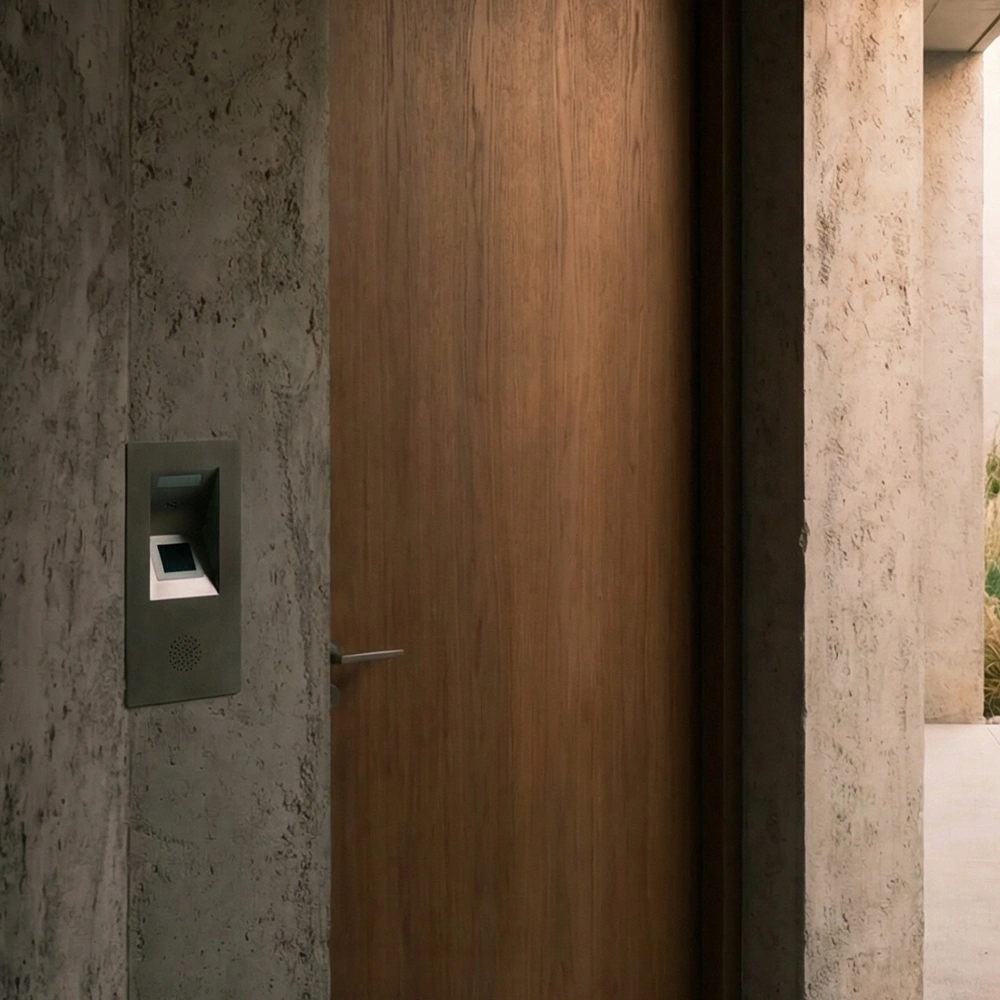
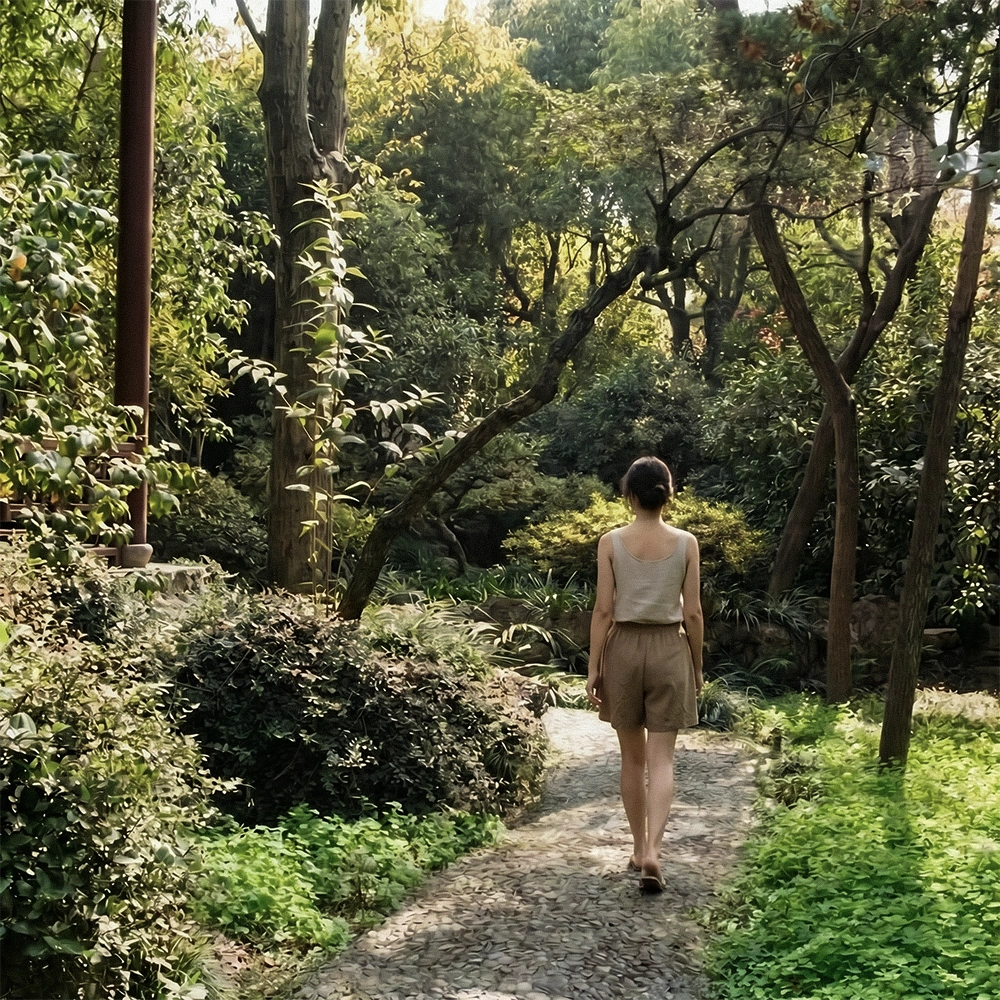
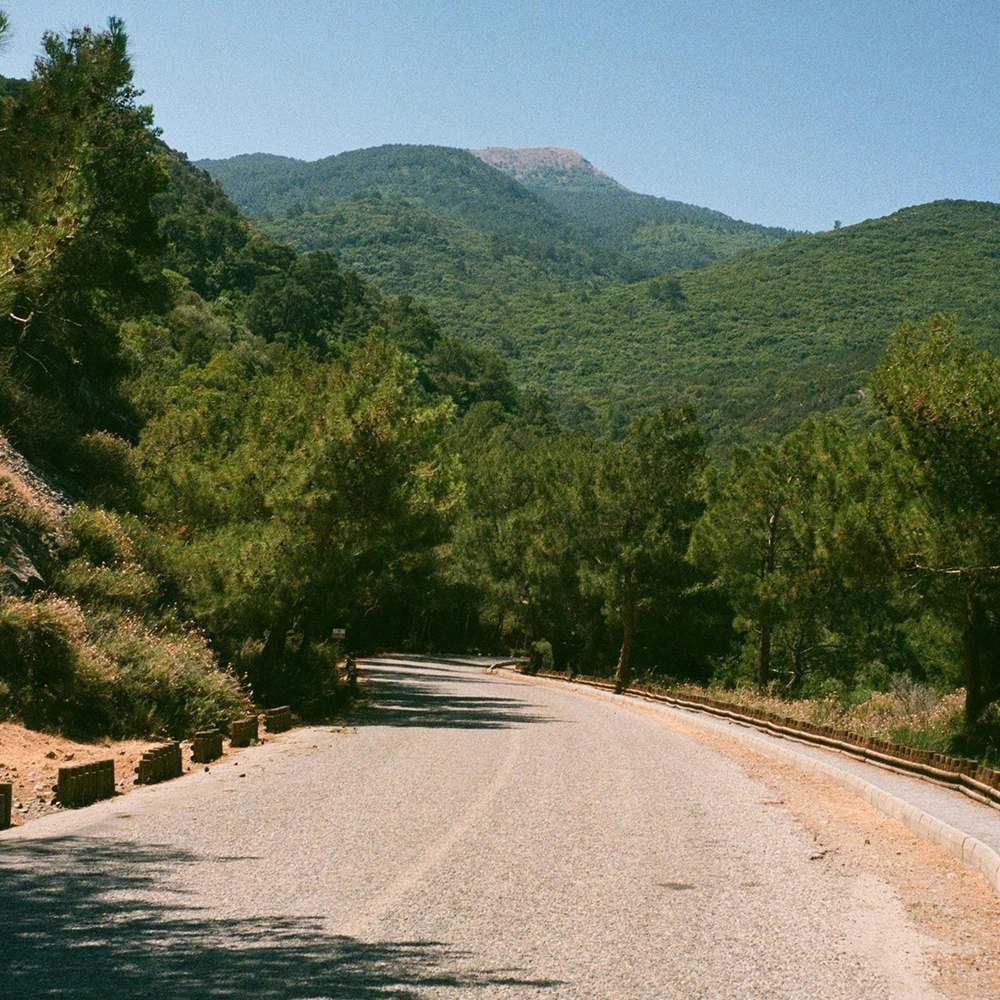
Shunyata shapes what the architecture removes. Tathata governs what the land and materials are. Samatha determines what the daily experience of living here feels like. These are not decorative concepts, they are the structural logic of every decision made at Akanistha, Narendra Nagar.

THREE DISCIPLINES.
EACH GOVERNING A DIFFERENT DIMENSION OF HOW YOU LIVE HERE.
शून्यता
STATE OF MIND. THE SPACE TO THINK.
Shunyata is not nihilistic emptiness. It is fertile openness. The realisation that when the non-essential is stripped away, only the essential remains perceivable. At Akanistha, this philosophy governs not what is added, but what is permanently refused.
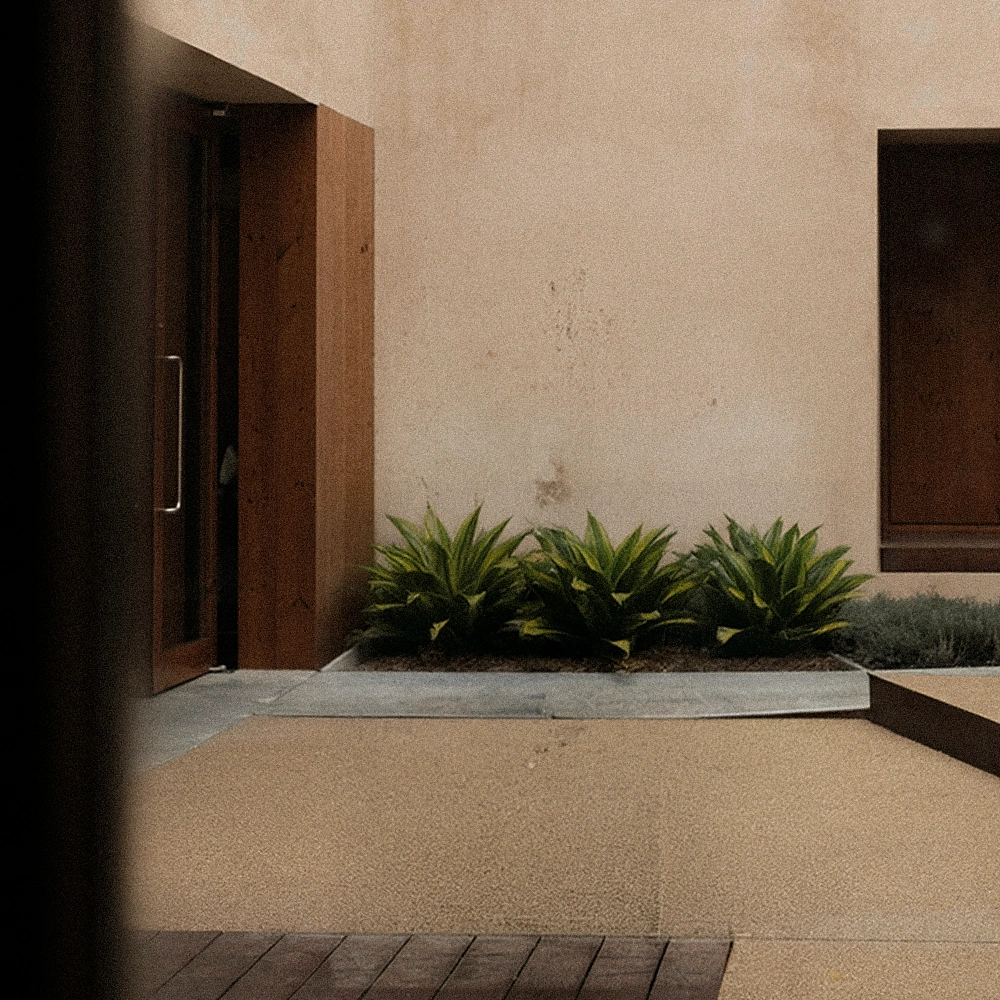
The Silent Hall has no television centrepiece, no chandelier drama. The arrival court has no concierge, no curated greeting. There is no clubhouse, no organized social programme, no schedule designed to fill hours you have not chosen to give. The architecture of Shunyata is the architecture of removal, and the cognitive relief that removal produces.
In Mumbai or Delhi, space is money. To leave it empty is the ultimate act of discipline. Here, the inefficiency of volume is the entire point. Vast ceilings hold air. Wide courtyards hold silence. The space to think is the sanctum's primary offering.
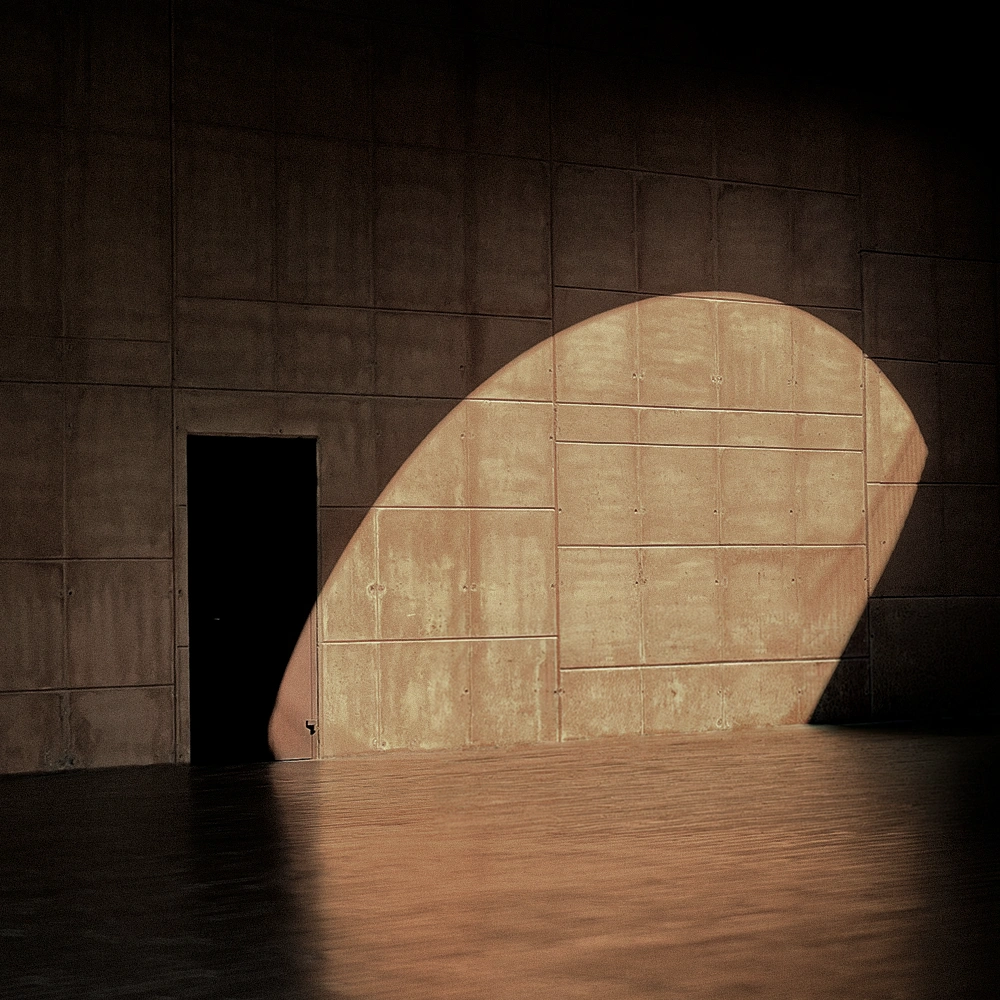
THE SILENT HALL
Not for display. Not for performance. No television centrepiece, no chandelier drama, no surfaces competing for attention. A living space designed for being, not for showing. The quiet luxury that stills thought before thought has to be stilled.
Why Here
India's potential
Blue Zone.
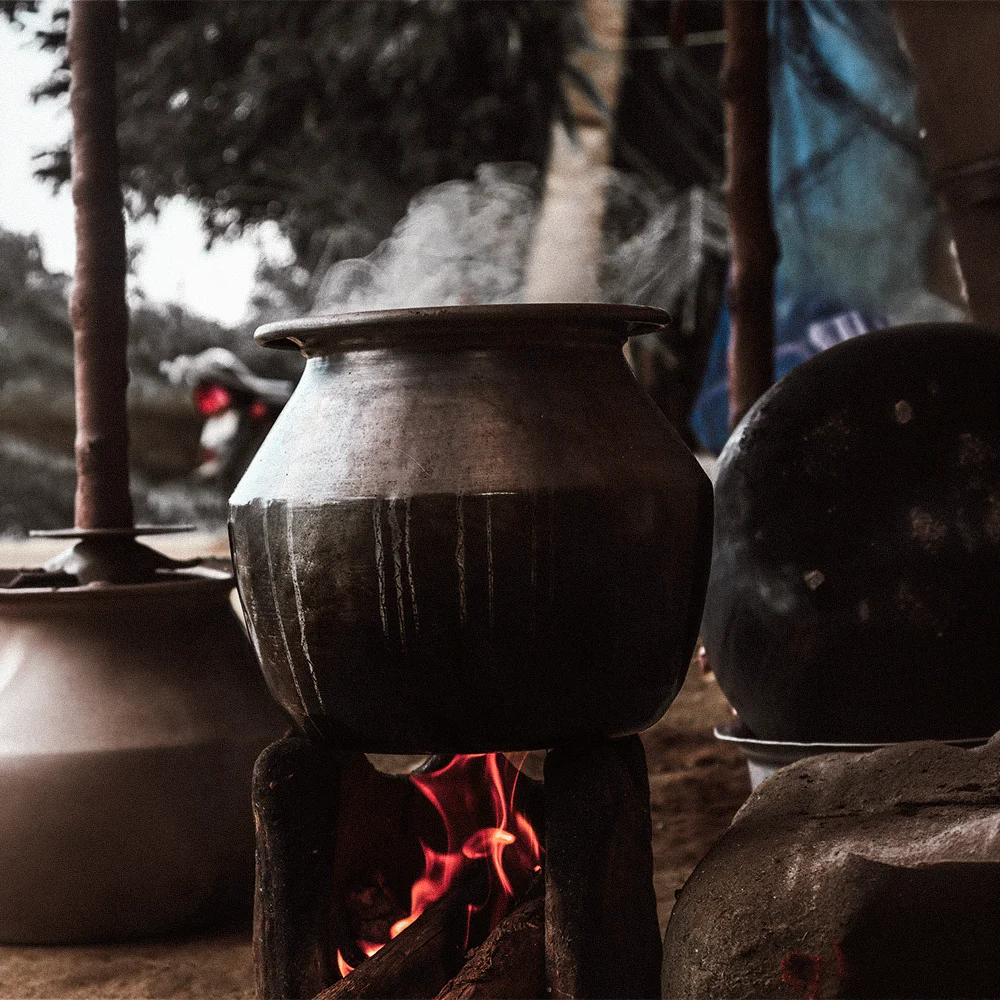
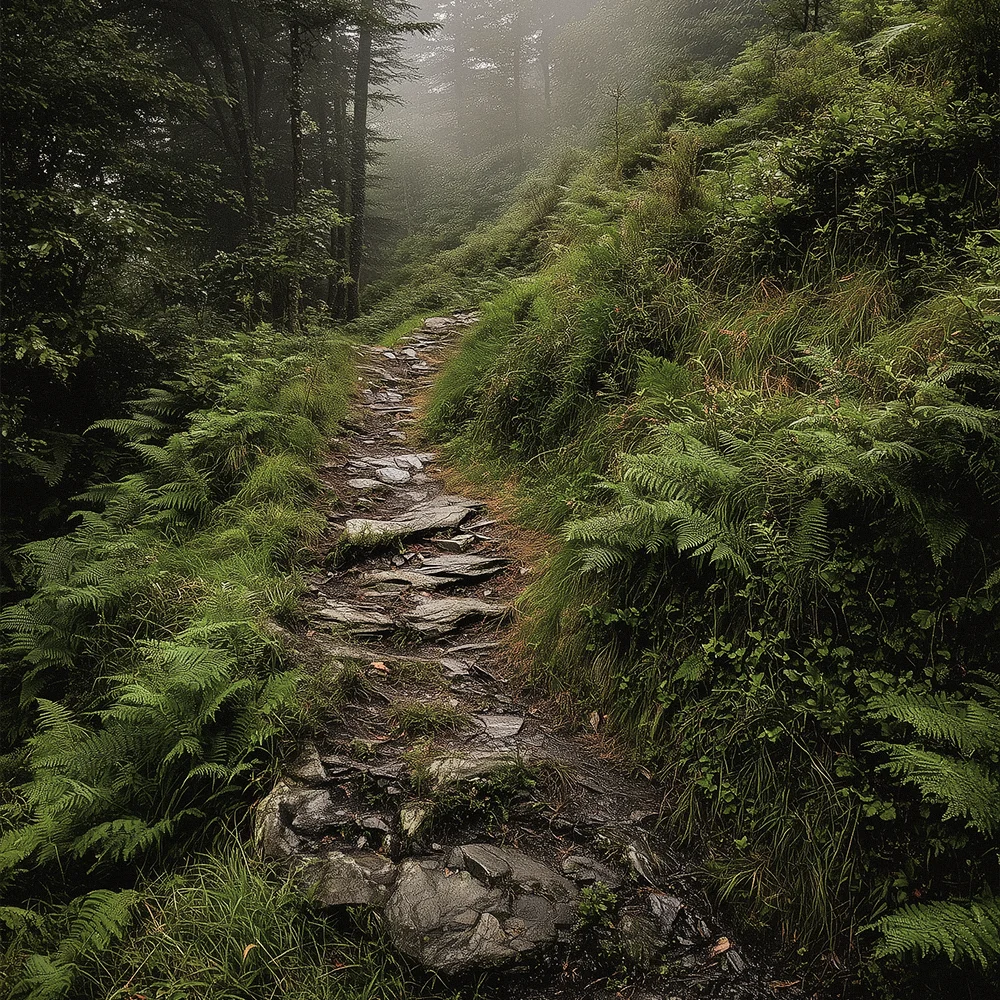
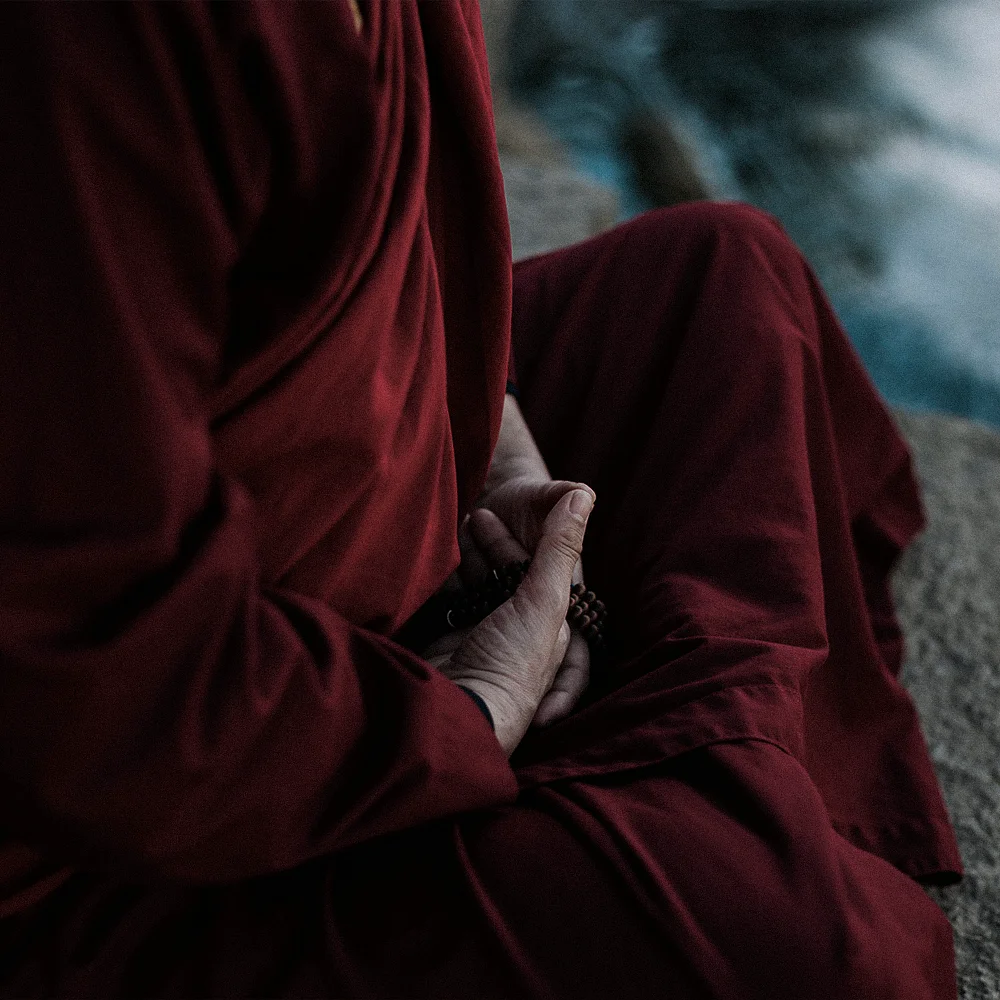
The five recognised Blue Zones of the world — Okinawa, Sardinia, Ikaria, Nicoya, Loma Linda — share a cluster of conditions: elevation and clean air, plant-forward whole-food diets, daily natural movement, a deep sense of purpose and spiritual grounding, close-knit community, low ambient stress, and lives structured around rhythm rather than urgency.
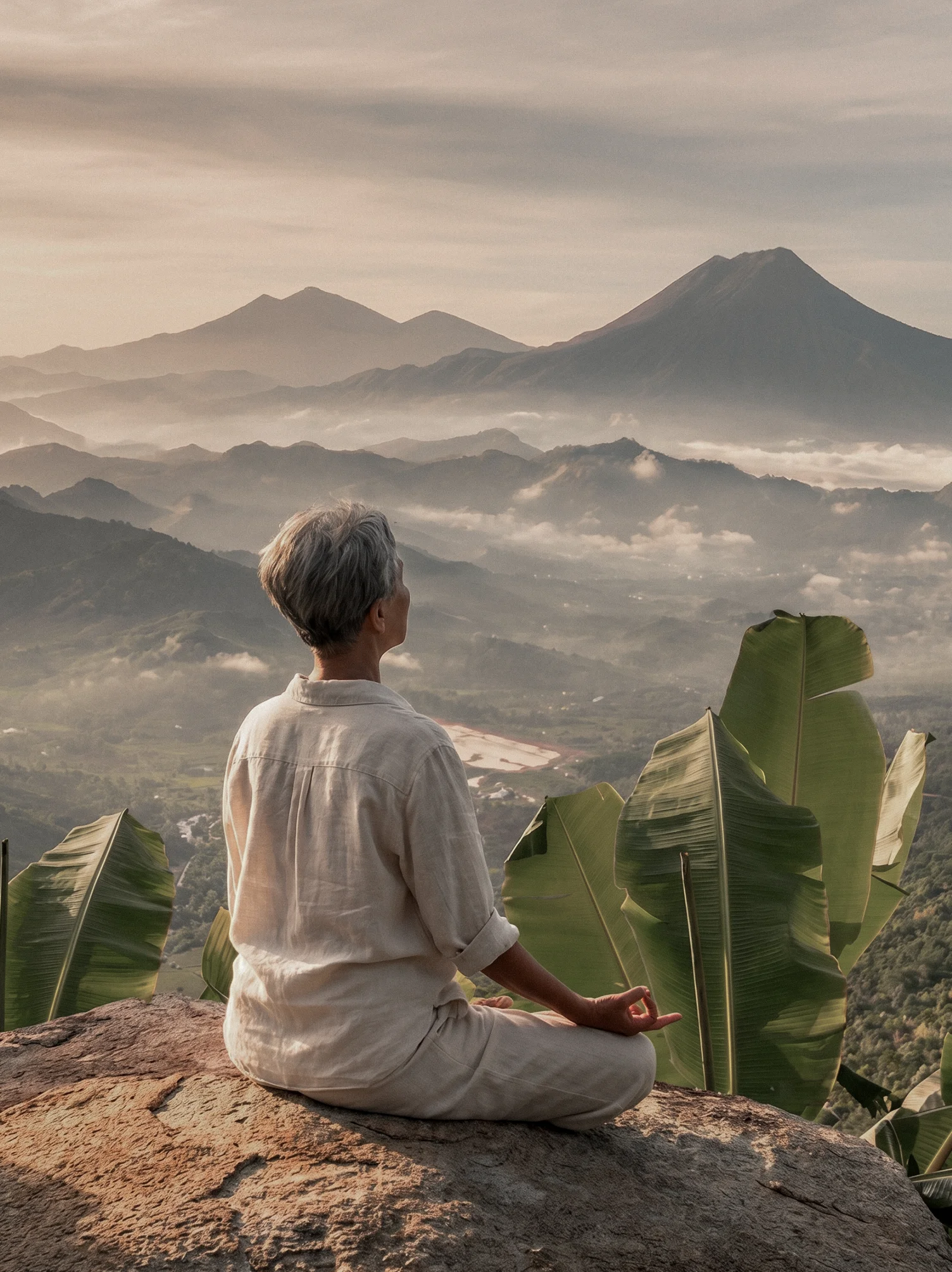
The Himalayan foothills of Uttarakhand, and Rishikesh in particular, exhibit every one of these conditions in their original, unmodified form. India has no officially recognised Blue Zone. Rishikesh may be its strongest candidate. And within Rishikesh, Narendra Nagar, elevated, quiet, forested, and looking directly down onto the Ganga, sits at the very heart of that argument. For generations, this place has oriented itself around a way of eating that is unhurried, unprocessed, and rooted in the rhythms of the land, mirroring the very principles longevity researchers now identify as central to every Blue Zone on earth. Rishikesh was living this science long before the term existed.
Elevation & Air Quality
At 1,326m, the air is measurably cleaner than the Indo-Gangetic plains below. Barometric pressure at this altitude deepens breath naturally. It creates an involuntary physiological reset that begins the moment you arrive.
Plant-Forward Diet
Daily Natural Movement
Spiritual Infrastructure
Rajaji National Park
And Beyond
The world that surrounds
Akanistha.
The world that surrounds Akanistha is not a backdrop. It is the medium.
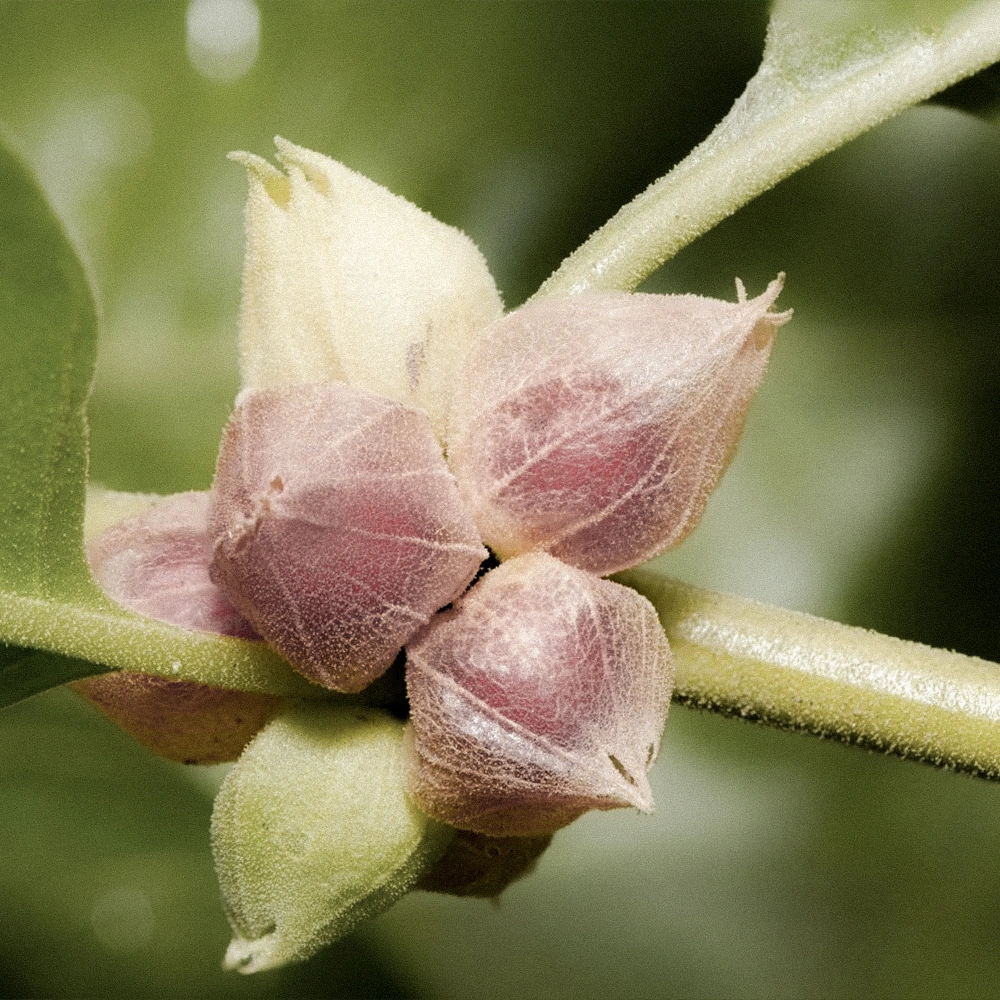
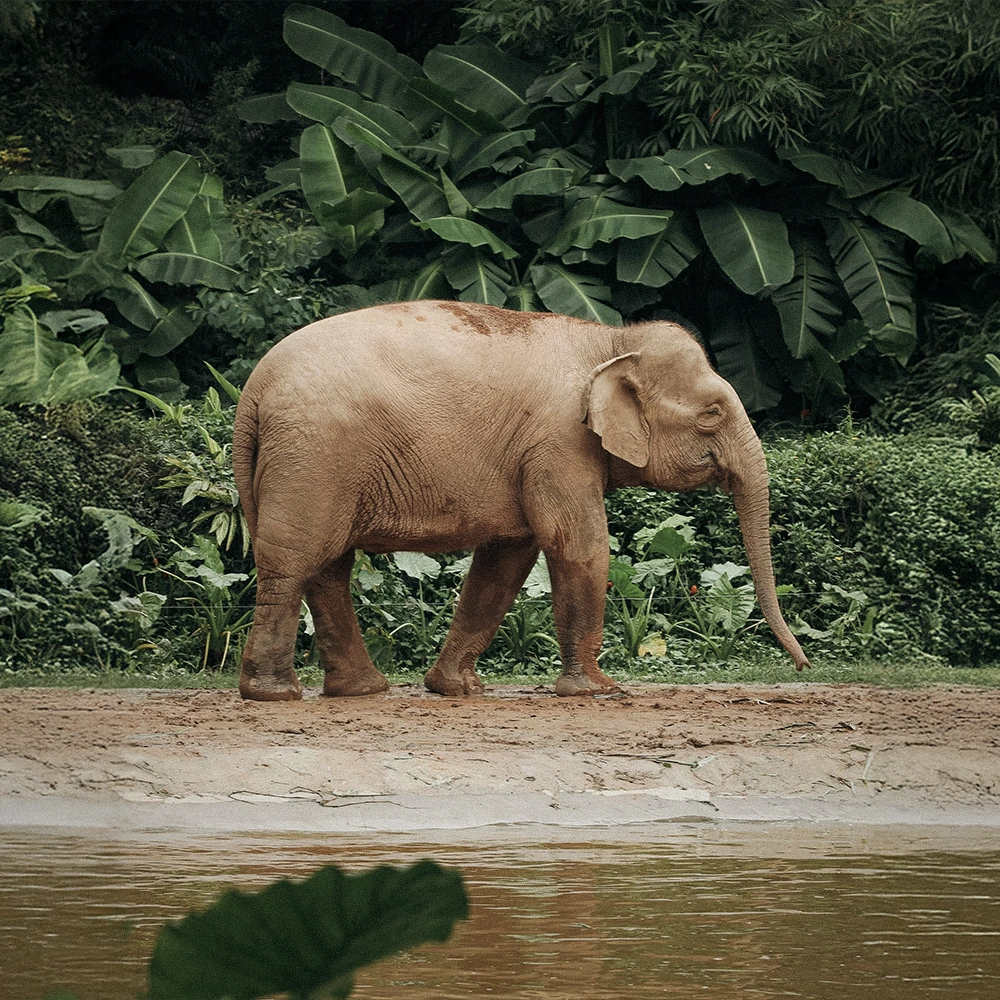
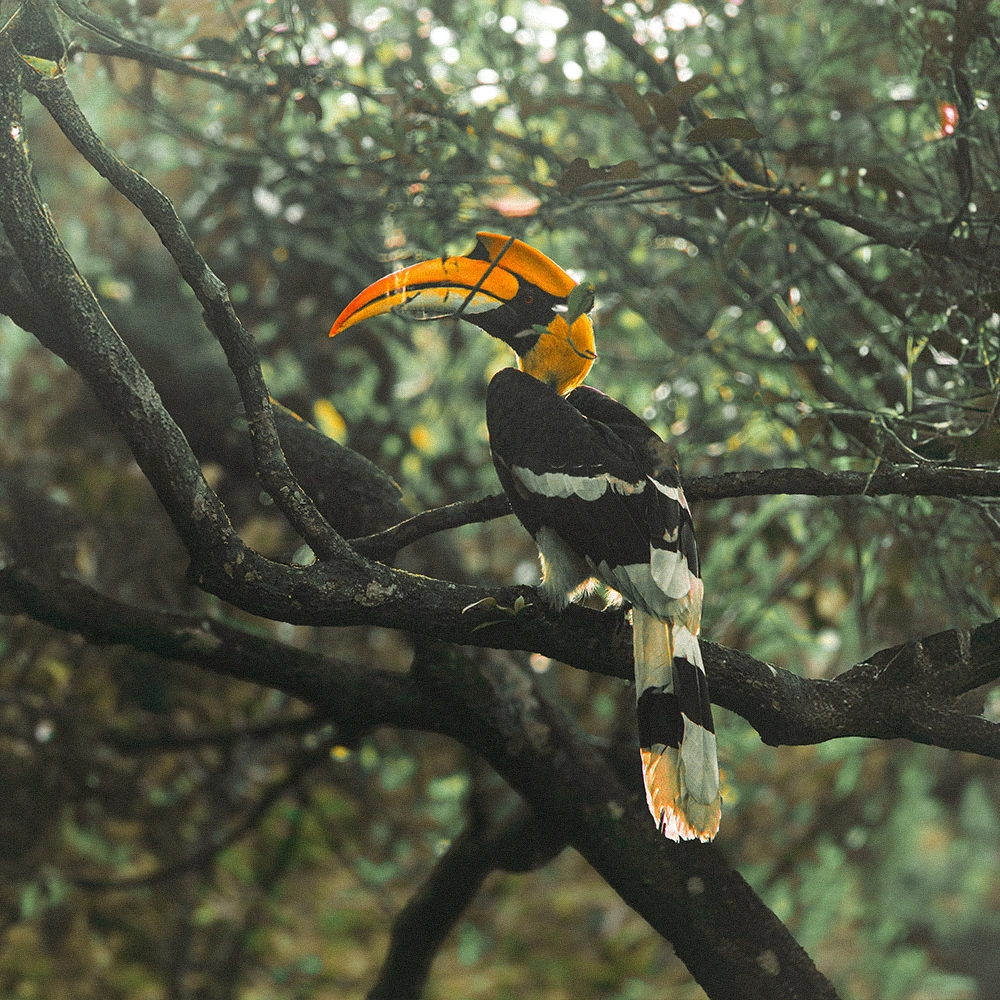
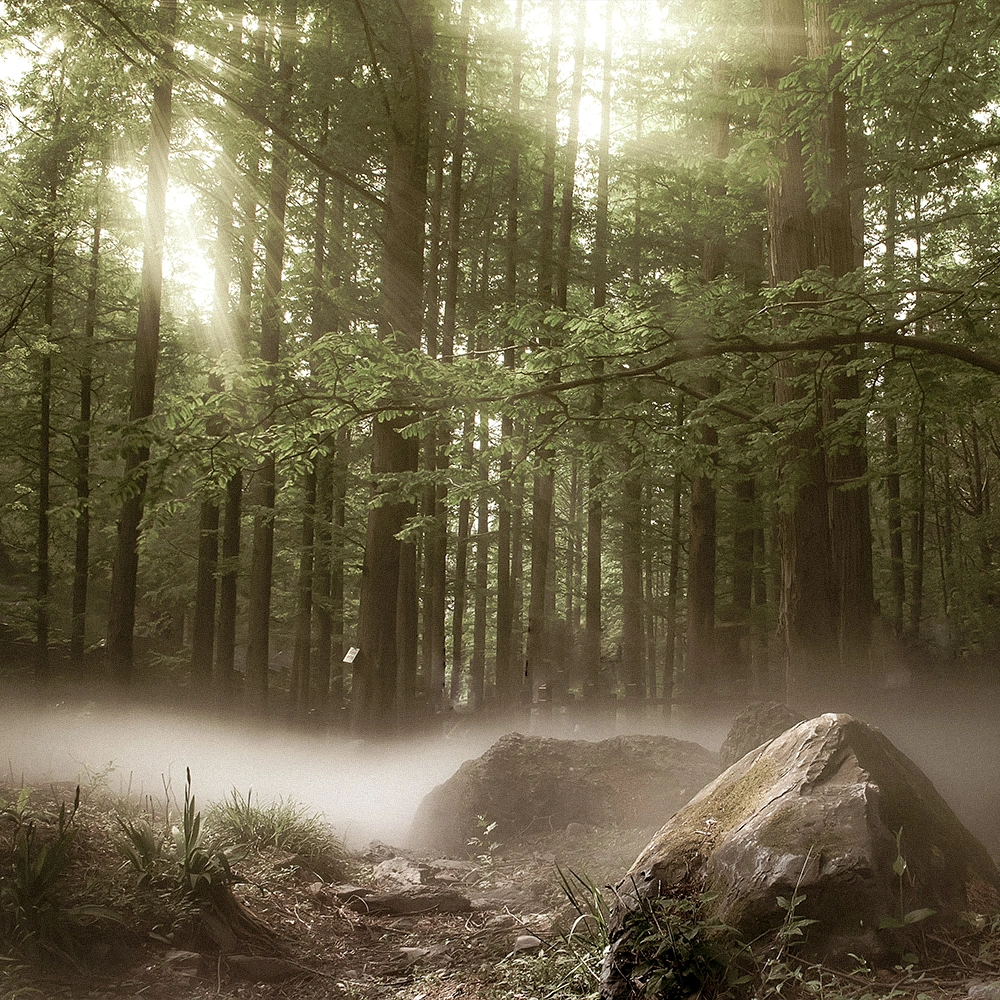
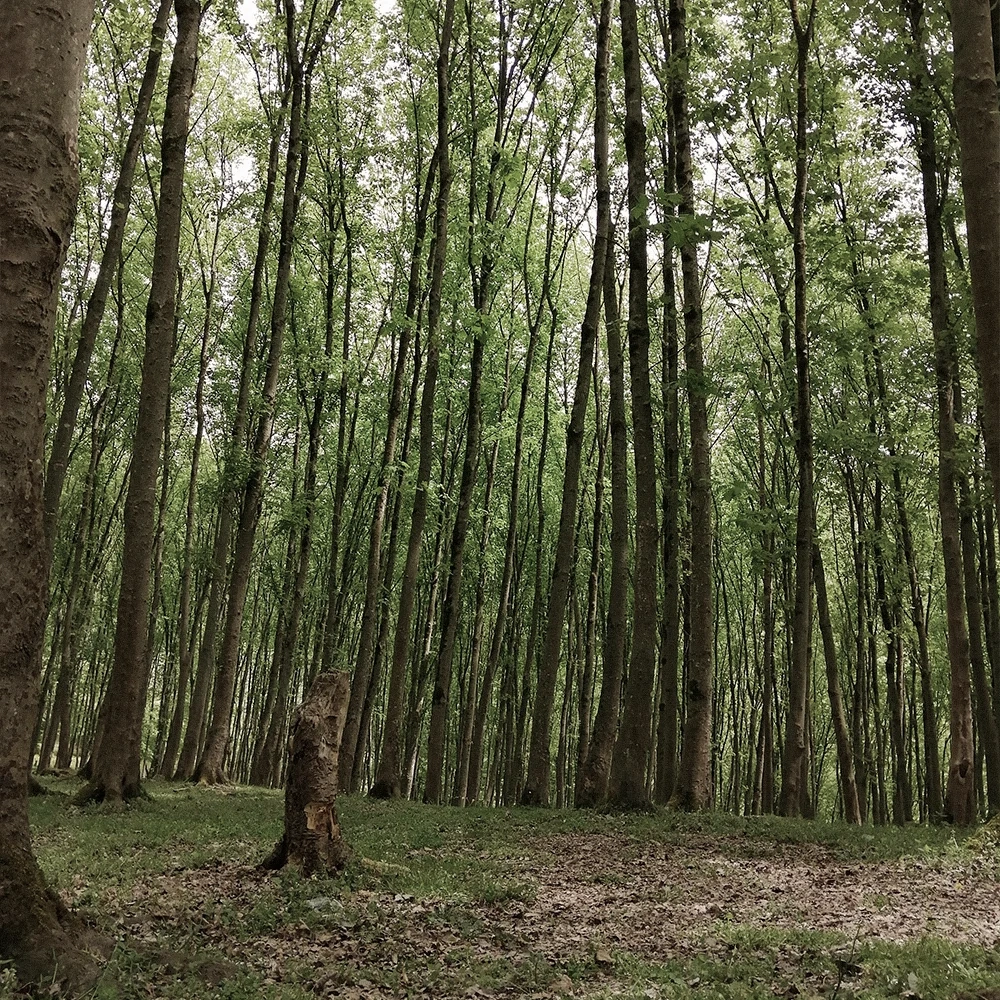
Rajaji National Park — an 820 square kilometre Tiger Reserve, begins at the edge of the Shivalik foothills. An ecological transition zone of rare richness: broadleaf deciduous sal forest, riverine vegetation, Himalayan chir-pine, open grasslands, and wetland habitat. Over 800 plant species. 315 recorded bird species. The full food web, intact.
Sal Forest
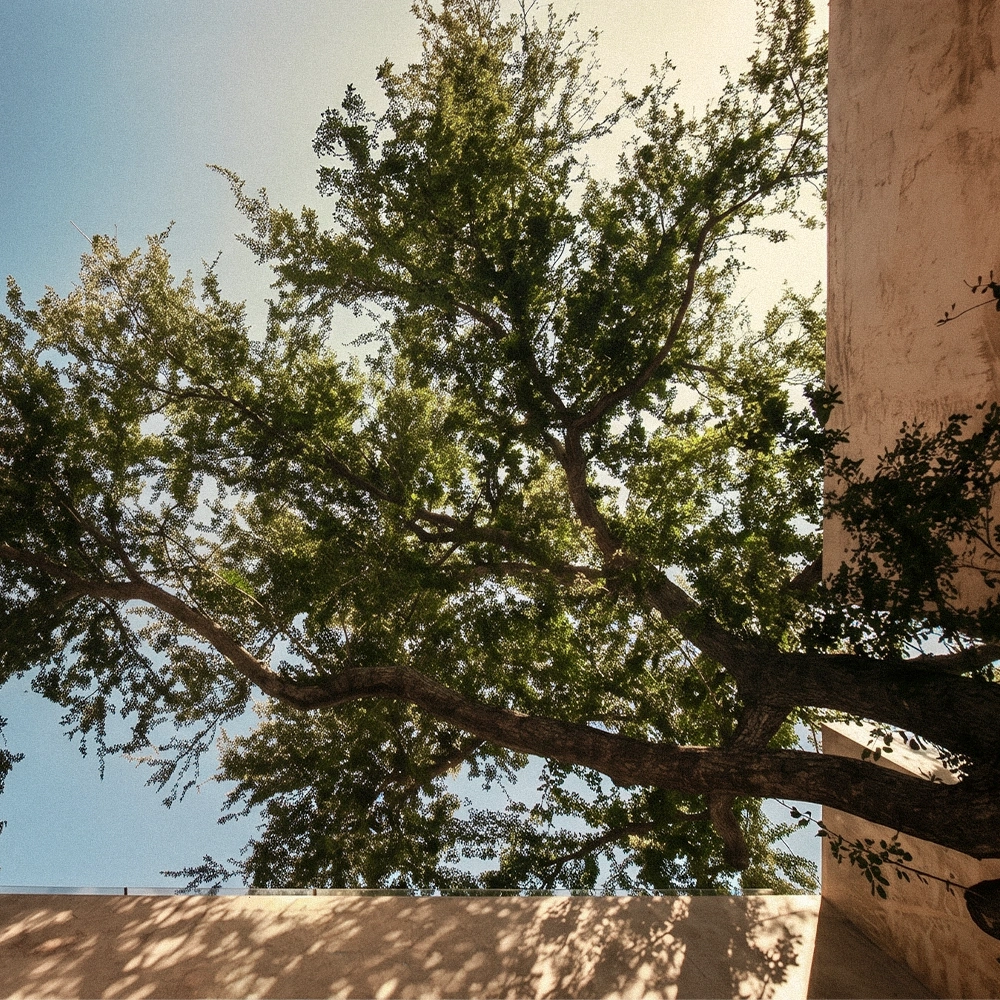
Shorea robusta, majestic trees growing to 80 feet, shedding in February and blooming in March with a scent carried for kilometres. The forest breathes on a rhythm older than any calendar.
LOCATION & CONNECTIVITY
The world is close enough.
And far enough.
Narendra Nagar sits above Rishikesh in Tehri Garhwal, Uttarakhand — accessible from Delhi in under four hours by road, less than an hour by air from Jolly Grant Airport. The distance from the world is measured not in kilometres, but in what the journey dissolves.
0 min
THE GANGA VIEW
Visible from the site. The river is not a destination from here, it is the horizon.
25 min
TAPOVAN, RISHIKESH
The quieter, more contemplative bank of the Ganga. Ashrams, silence, and the original spirit of Rishikesh, intact.
25 min
THE WESTIN RISHIKESH & TAJ RISHIKESH
World-class hospitality infrastructure, accessible when needed. Present but not intrusive.
35 min
RAJAJI NATIONAL PARK
820 sq km Tiger Reserve. The living world that surrounds the sanctums.
90 min
JOLLY GRANT AIRPORT, DEHRADUN
Direct flights from Delhi (approx. 1 hr), with connections to Mumbai, Bangalore, and beyond.
~4 hrs
NEW DELHI (BY ROAD)
Via National Highway 58 through Haridwar. A drive that leaves the city behind in measured stages.
35 min
ANANDA IN THE HIMALAYAS
One of the world's finest wellness destinations — a neighbour, not a competition.
75 min
RAILWAY STATION
Trains that connect to Delhi, Mumbai, and the major cities of India.
FOR THE RAREST AMONG US.
FOR THE ONES WHO SEEK.
For an evening with the minds behind Akanistha.