

Samatha
𑀏𑀓 𑀐𑀲𑀻 𑀕𑀳𑀭𑀻 𑀰𑀸𑀁 𑀢𑀺 𑀚𑁄 𑀤𑁃𑀦𑀺 𑀓 𑀤𑀺 𑀦𑀘𑀭𑁆 𑀬𑀸 𑀓𑁄 𑀩𑀤𑀮 𑀤𑁂 𑀢𑀻 𑀳𑁃 𑁇 𑀐𑀲𑀻 𑀯𑀸 𑀲𑁆 𑀢𑀼𑀓𑀮𑀸 𑀚𑁄 𑀆𑀥𑀼𑀦𑀺 𑀓 𑀫𑀦 𑀓𑁄 𑀰𑀸𑀁 𑀢 𑀓𑀭𑀢𑀻 𑀳𑁃|
A stillness so profound it resets the circadian rhythm. Architecture that acts as a sedative for the modern mind.
THE MIND IS NOT LOUD. BECAUSE THE WORLD IS LOUD. IT HAS NEVER BEEN GIVEN A QUIET PLACE TO HEAR ITSELF SETTLE.
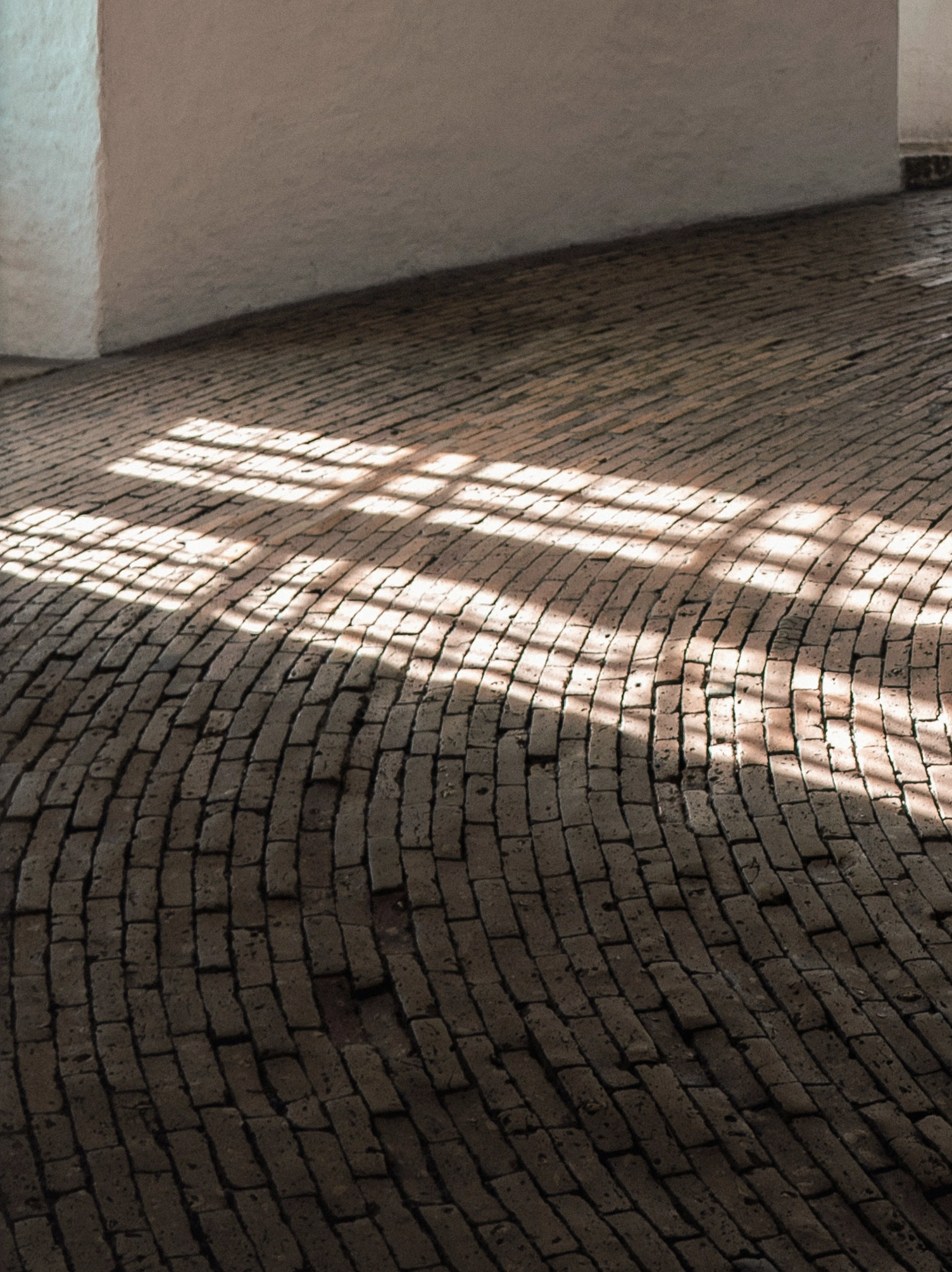
The Third Principle: The Calm
In Buddhist tradition, Samatha is translated as 'calm abiding'. It describes a quality of mental stillness not born from the absence of experience, but from a trained capacity to remain stable within it. Thoughts are observed rather than pursued. The mind, no longer swept by its own turbulence, begins to see clearly. This is not a passive state. It is a cultivated one, and its returns compound over time. Akanistha is designed to support this capacity. Not to manufacture it, but to create the external conditions under which it becomes possible.
Walls are thick. Proportions are deliberate. Acoustic discipline is applied with the same rigour as visual composition. The openings are offset with materials selected for their ability to receive sound and not return it.
Surrounding all of this is a curated wilderness, where the density of planting, the placement of water, and the orientation of pathways form a layered environment. It is in which nature is present, and the human world is held at a distance.
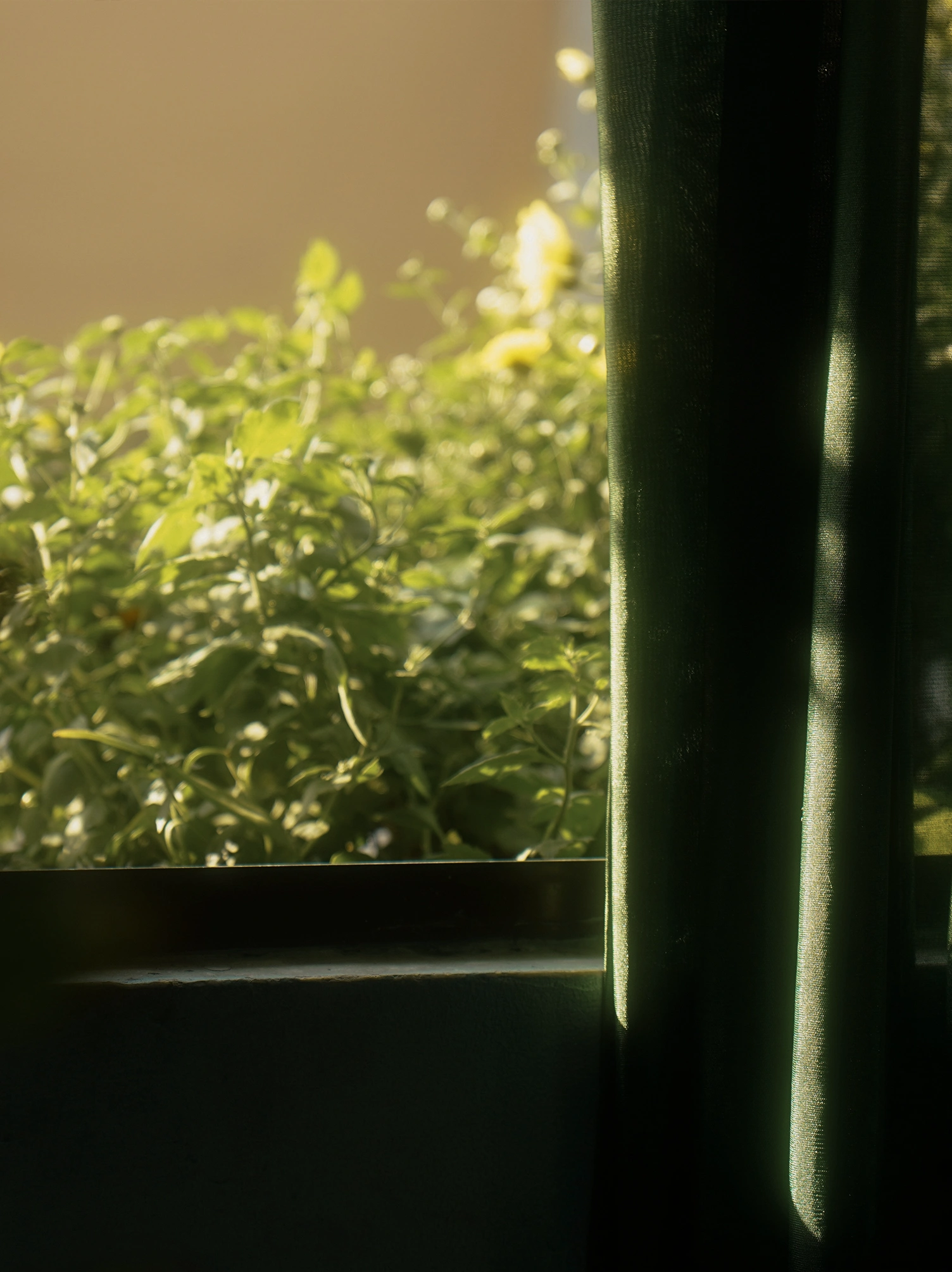
The Rhythm Of Days
What one hears at Akanistha is the wind moving through stone. Distant water. The settling of timber in the night. Sounds the nervous system has been calibrated across millennia to interpret not as a threat, but as safety. They do not alert. They restore. This quality of quiet does not arrive by accident. It is the result of hundreds of small, cumulative decisions, each in service of a single condition which is stillness the body can finally trust, and the mind can finally use.