
Tathata
𑀪𑁅𑀢𑀺 𑀓𑀢𑀸 𑀓𑀻 𑀈𑀫𑀸 𑀦𑀤𑀸 𑀭𑀻 𑁇 𑀩𑀲 𑀥𑀭𑀢𑀻 𑀓𑀻 𑀓𑀘𑁆 𑀘𑀻 , 𑀫𑁅𑀮𑀺 𑀓 𑀯𑀸 𑀲𑁆 𑀢𑀯𑀺 𑀓𑀢𑀸|
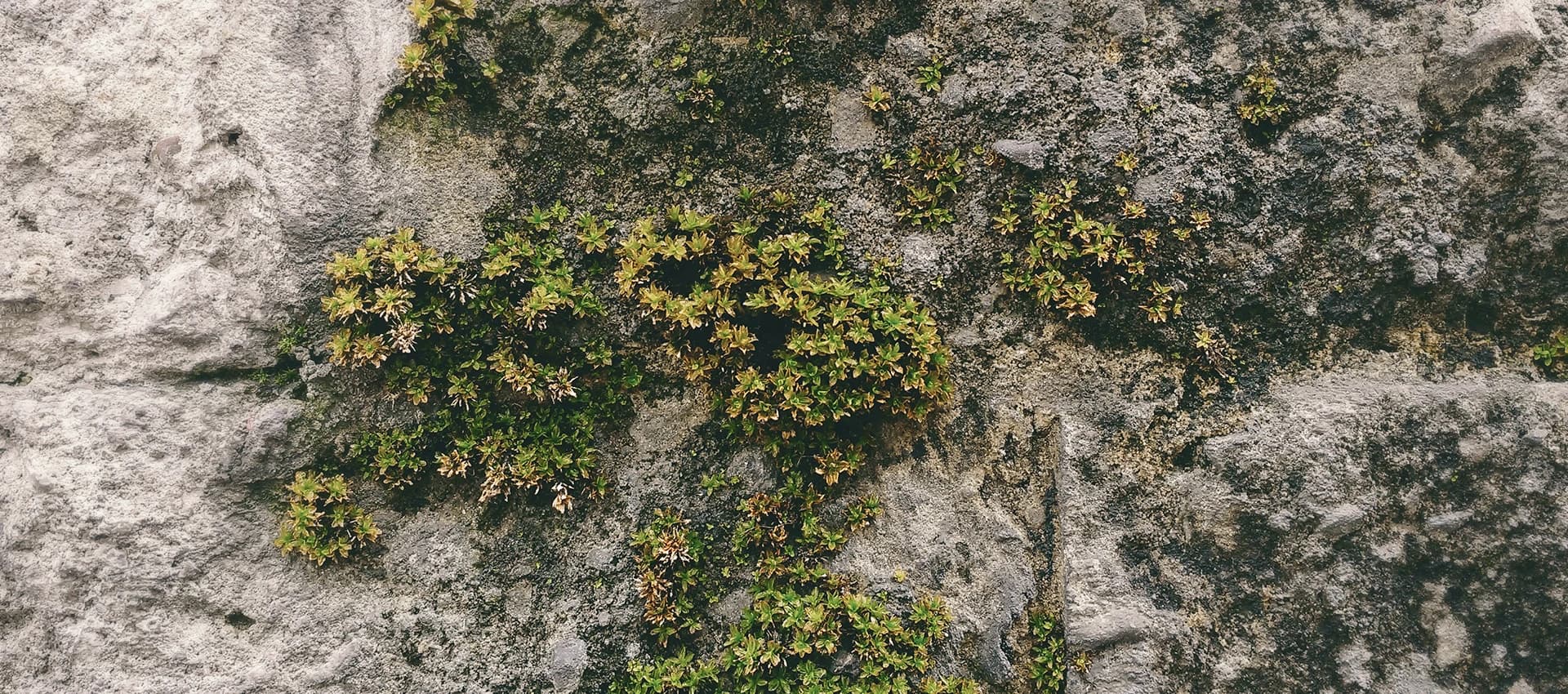
The honesty of material is just the raw elemental reality of the earth.
STONE REMAINS STONE. WOOD REVEALS ITS GRAIN WITHOUT HESITATION. ONLY THE HUMAN CRAFT LABOURS TO CONCEAL ITS OWN NATURE.
The Second Principle: The Truth
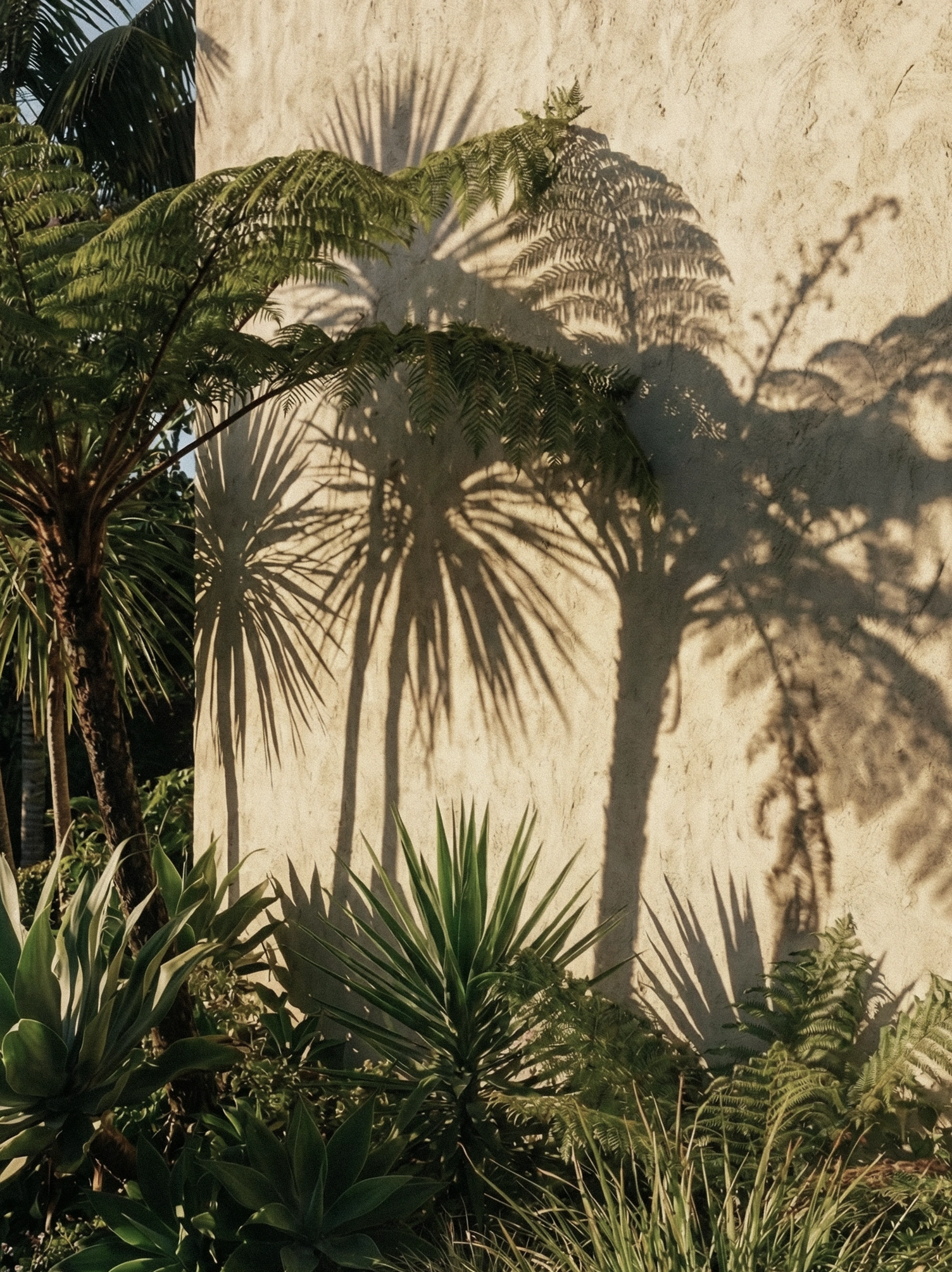
Tathata, sometimes rendered as 'suchness', names the quality of direct perception, unmediated by concept. To encounter reality here is to see the tree as a tree, the stone as a stone. Not the idea of a tree. Not the category of the stone. The thing itself is precisely as it presents itself. Without the distortions that judgment, projection, or desire impose. The mind that has been trained by language and accumulation is almost incapable of this. What it gains in its processing speed, it loses in contact. Akanistha is designed to slow this process by creating conditions in which direct encounter becomes possible again.
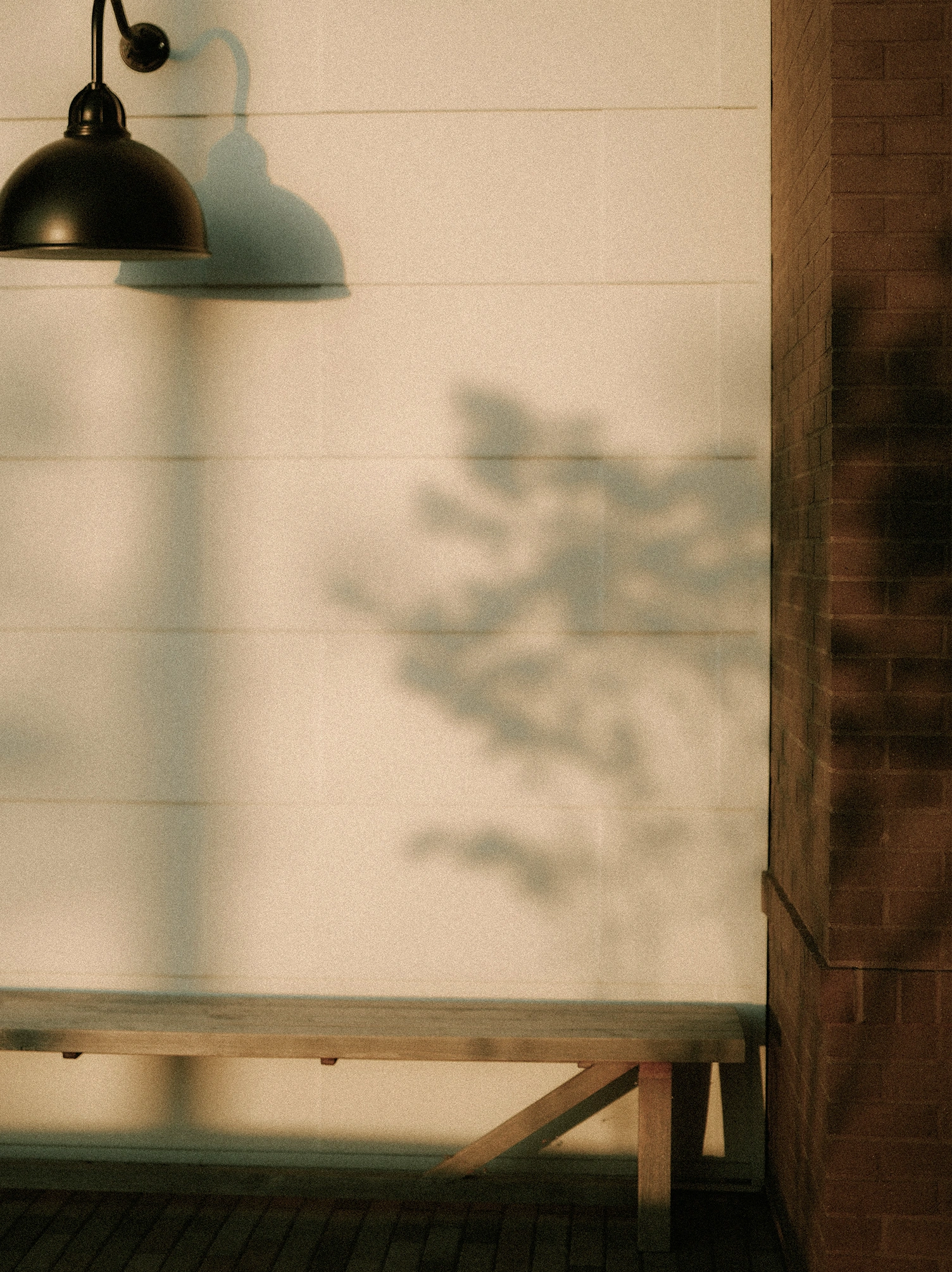
To age well — in a life, in a body, in a space, is not to resist time, but to enter in an honest relationship with it. This is the deepest architecture of our conviction, that the most expensive thing a person can lose is not money. It is the years spent in environments that were never designed for them. Akanistha does not promise permanence, rather it promises presence. The space asks their inhabitants to be fully here, because there is nothing superficial to occupy a distracted mind. What remains, when everything false has been removed, is contact with something genuinely real. And that in a world of simulation, is the rarest luxury of all.
The most direct expression of this principle is material honesty. Akanistha is built from stone, aged teak, smoked oak, basalt, river stone, raw concrete, bronze, and terracotta. All chosen not for their beauty but for their truth. No materials pretending to be something other than what they are. Weathering is not concealed. It is structural to the experience. A surface that bears the evidence of time does not apologise for it, but instead of it embodies it.
Stone looks like stone, geological, dense, and ancient. Wood looks like wood, knotted, directional, and organic. Metal develops patina over decades rather than resisting it. There are no veneers. No simulations.